Art Therapy Activities for Self-Expression and Healing

1. Mandala Drawing

Utilized as a therapeutic tool, mandala drawing can be a great outlet to begin your art therapy journey.

A mandala is a 2D, circular drawing that can contain patterns, sketches, or additional drawings inside.

There are no hard rules when it comes to creating them, so don’t be afraid to get creative.

According to a study done by the National Library of Medicine, mandala drawing has the power to reduce negative emotions in its creators.

How to Draw a Mandala -Step by Step Tutorial for Beginners

Materials
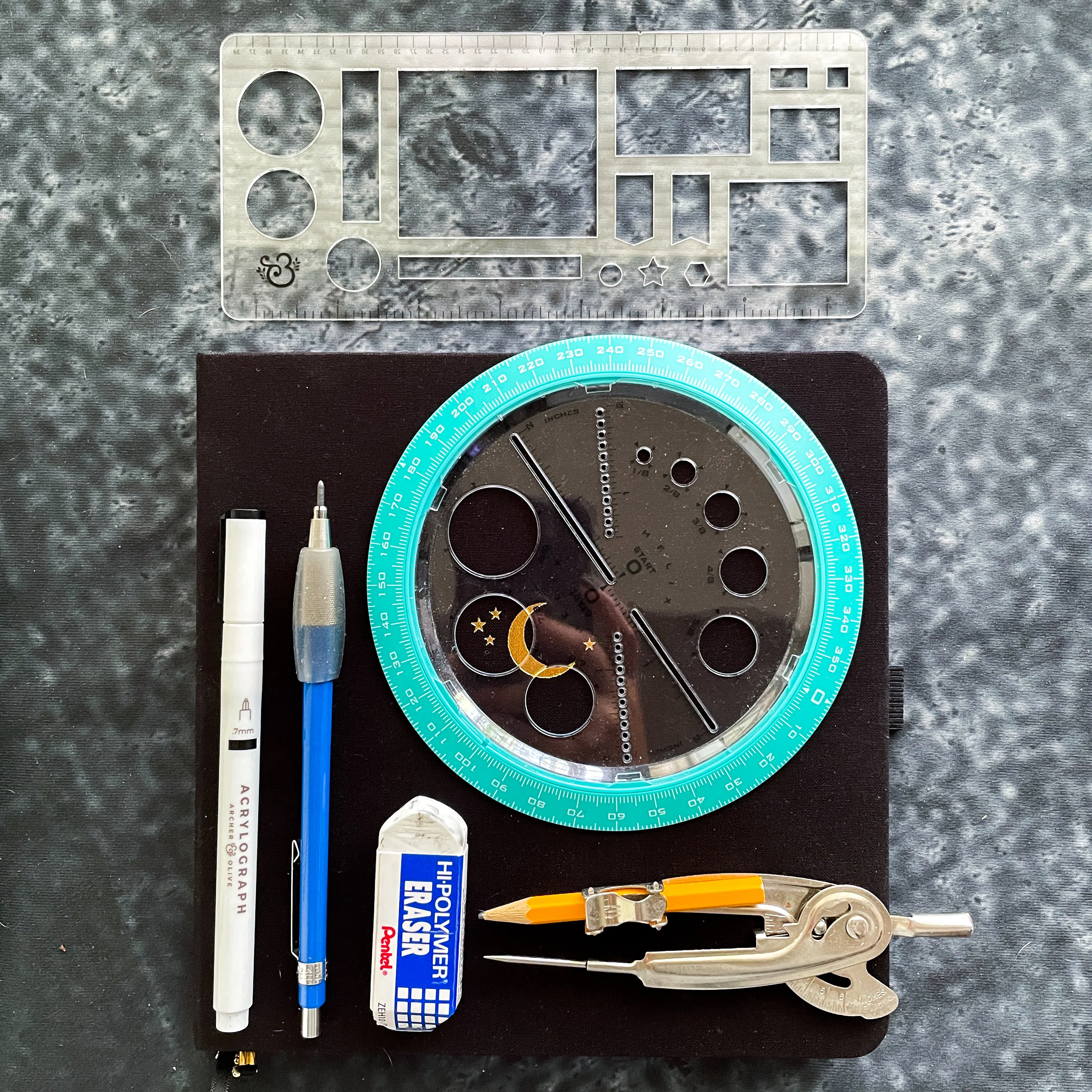
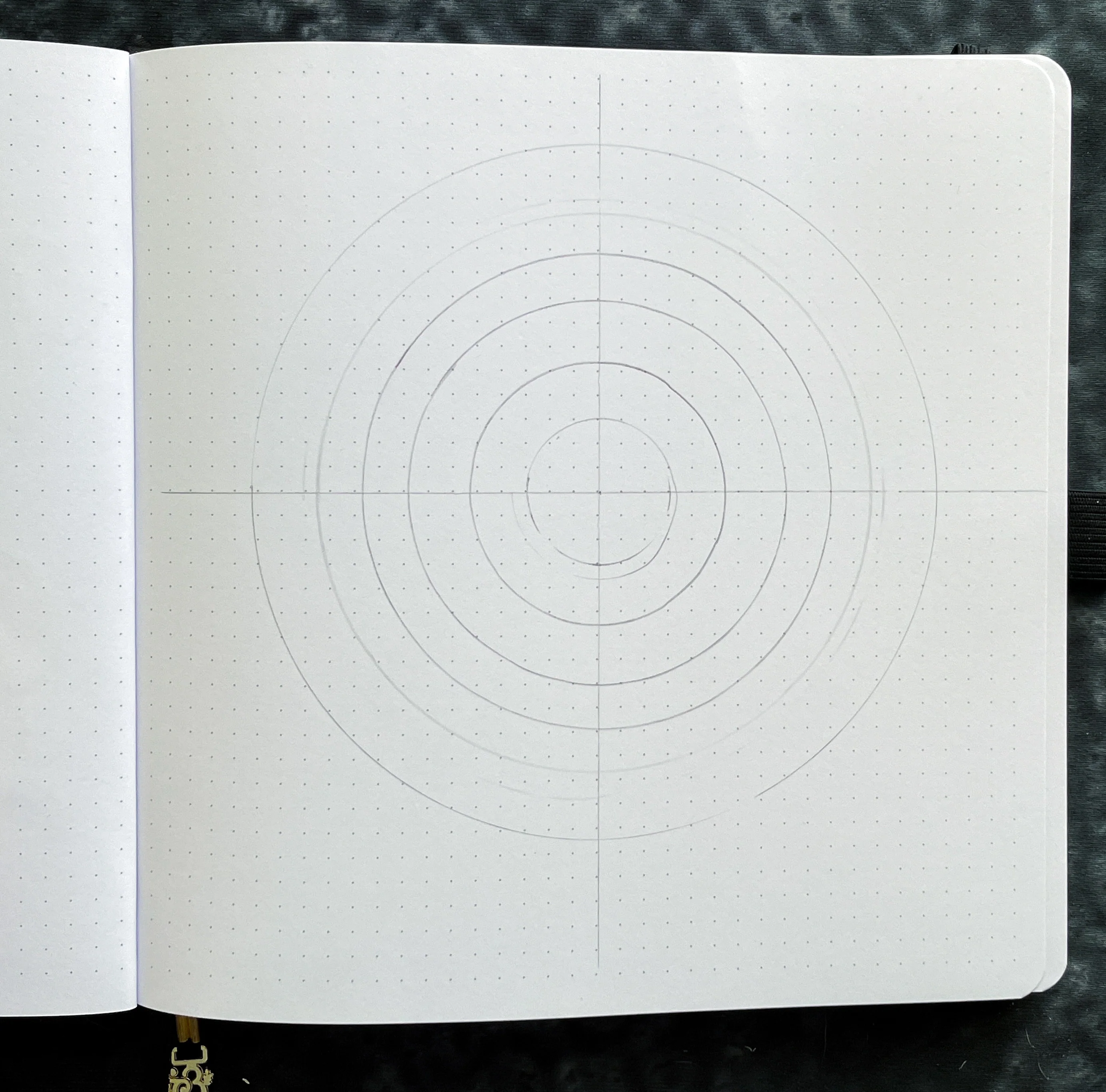
Guidelines
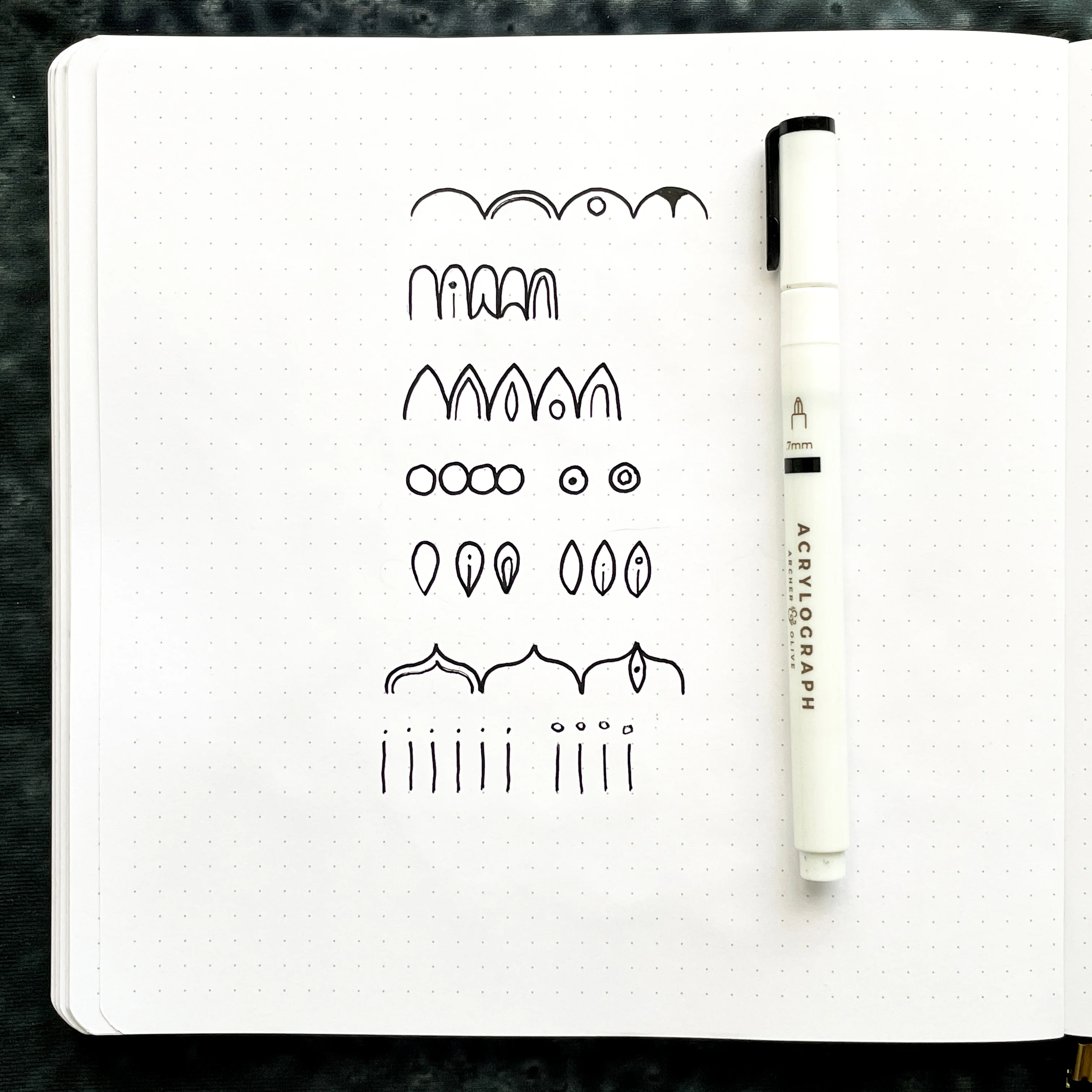
Pattern ideas
Fill in your rings
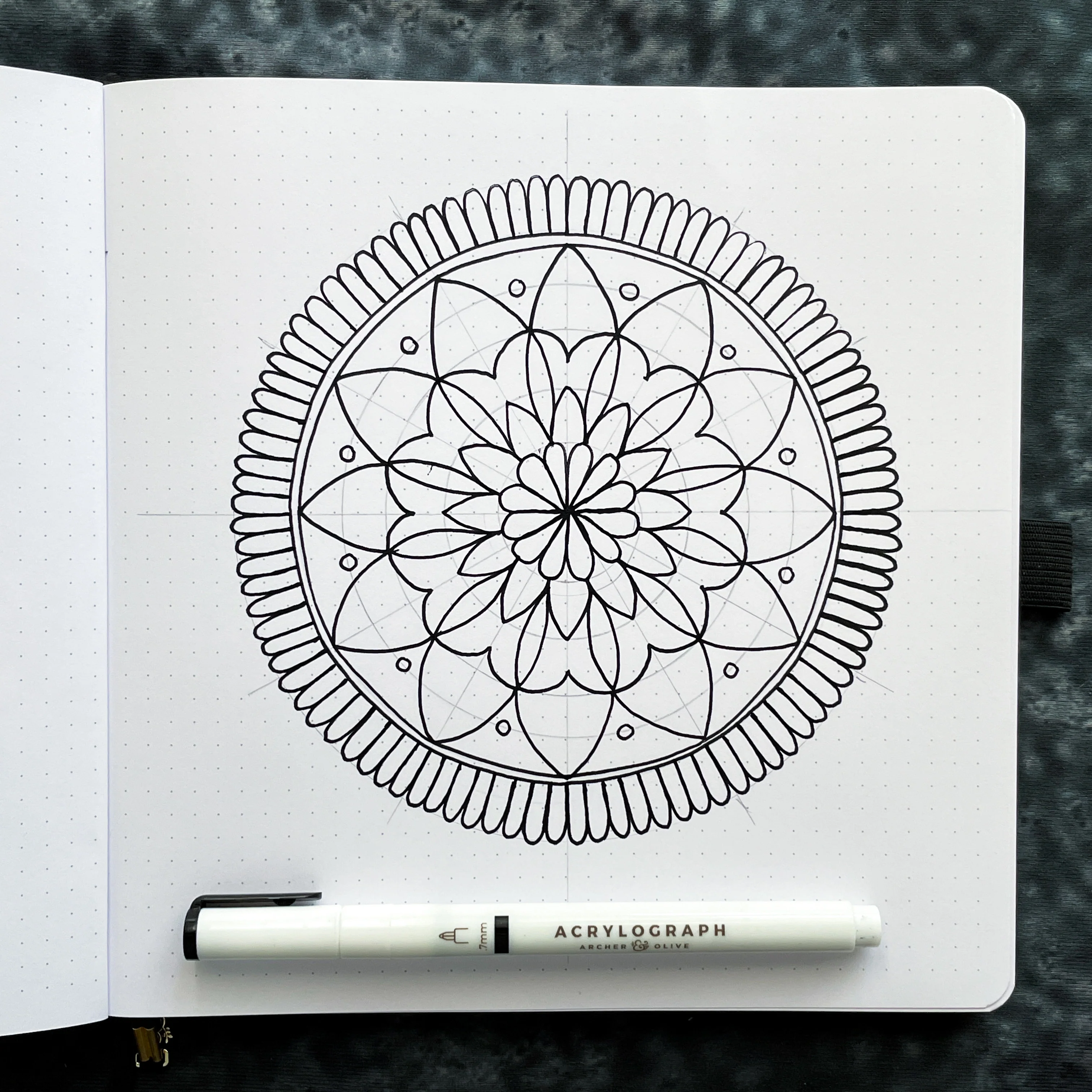
Add in details
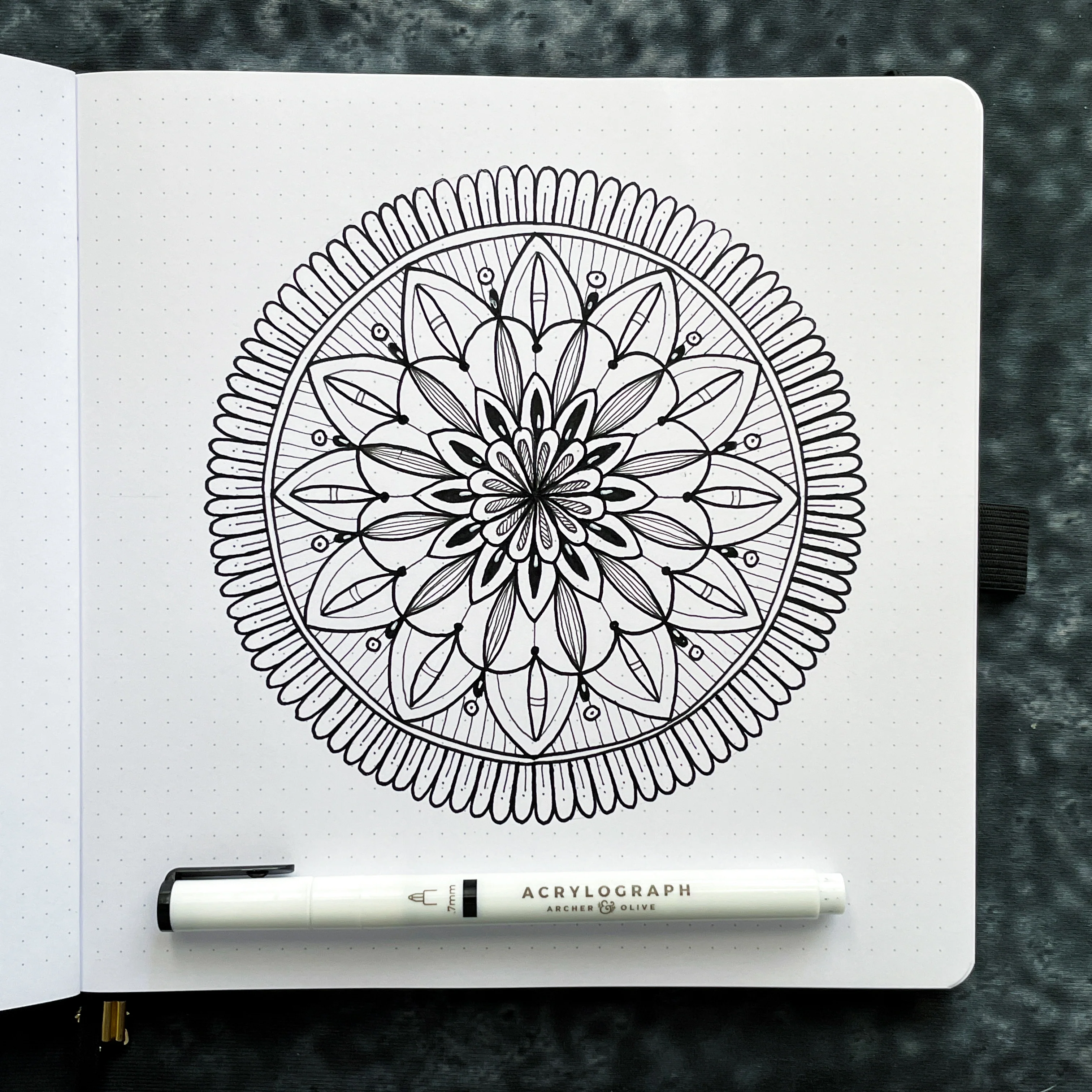
To got that Mandala
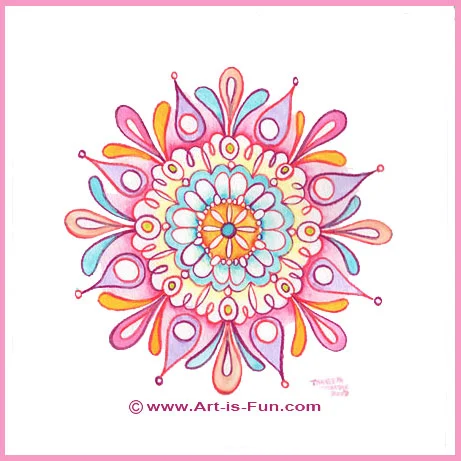
Step1

Draw a dot in the very center of the square.

Step2
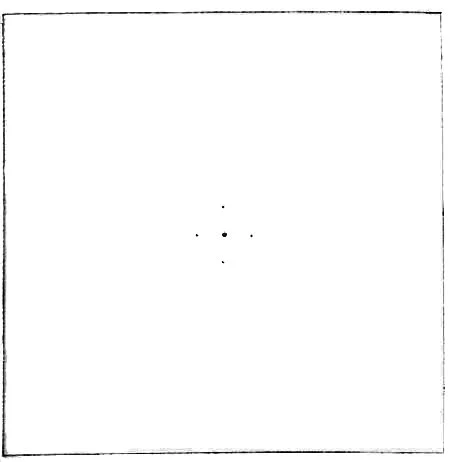
Draw a series of circles around this dot.

Step3
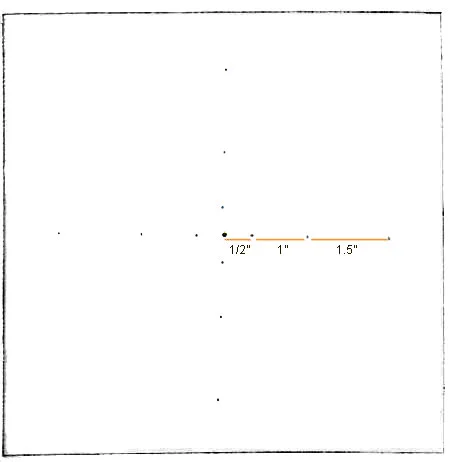
Continue making as many rows of these dots as you like.

Step4
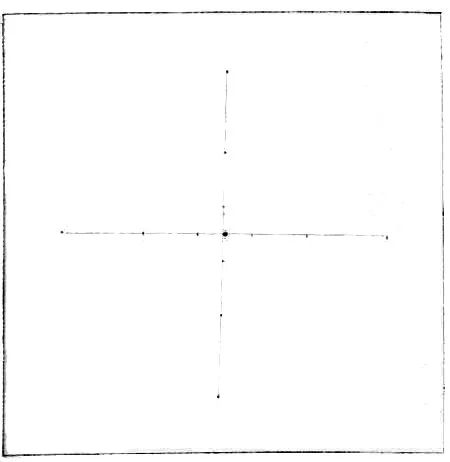
It's time to connect them

Step5
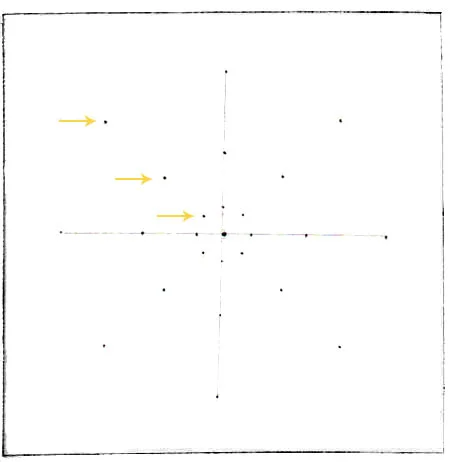
Draw four rows of dots, making a large x shape.

Step6
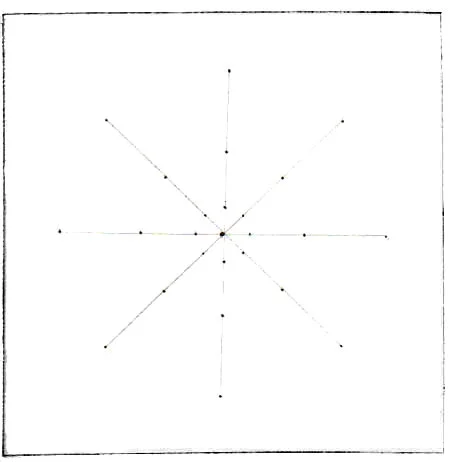
Use your ruler to connect the dots

Step7
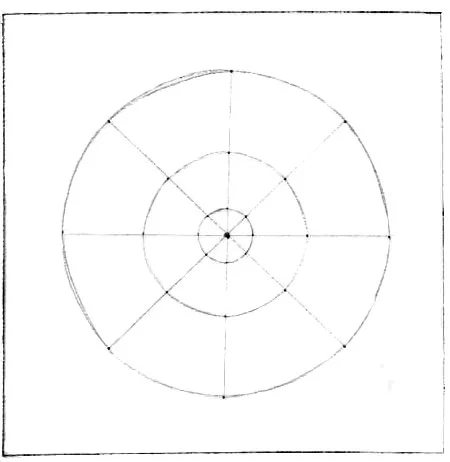
Connect the dots into circles

Step8
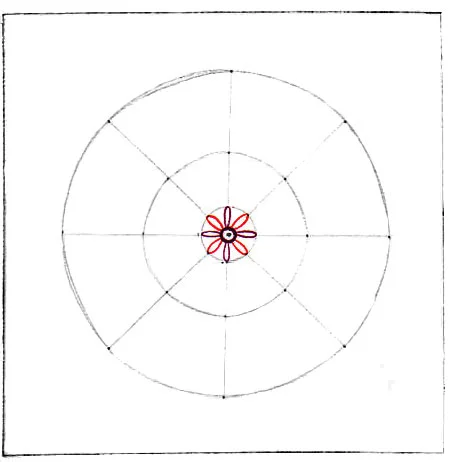
You can begin drawing designs in your mandala!

Step9
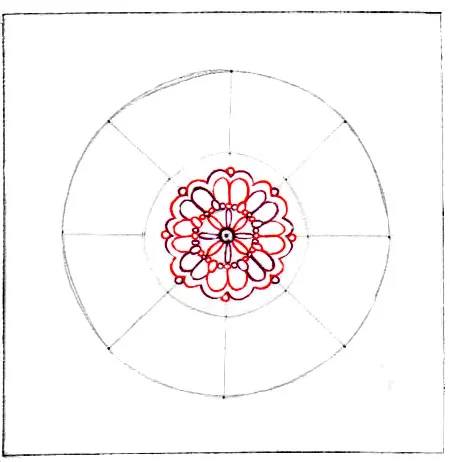
You can draw shapes like circles, triangles, raindrops, loops, etc.

Step10
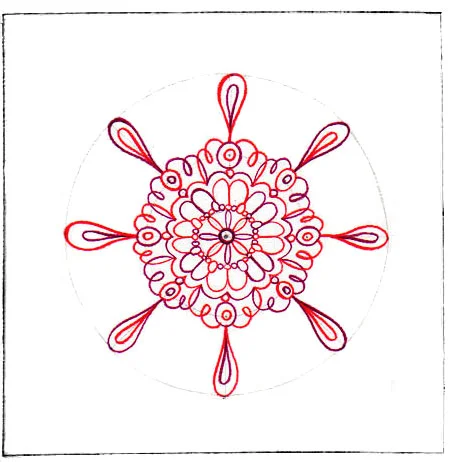
As you draw more and more designs, your mandala will start to look more complex.

Step11
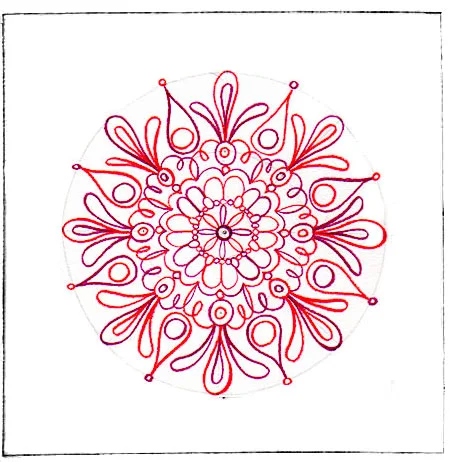
Pretty cool!! And color in your mandala, if you want to.

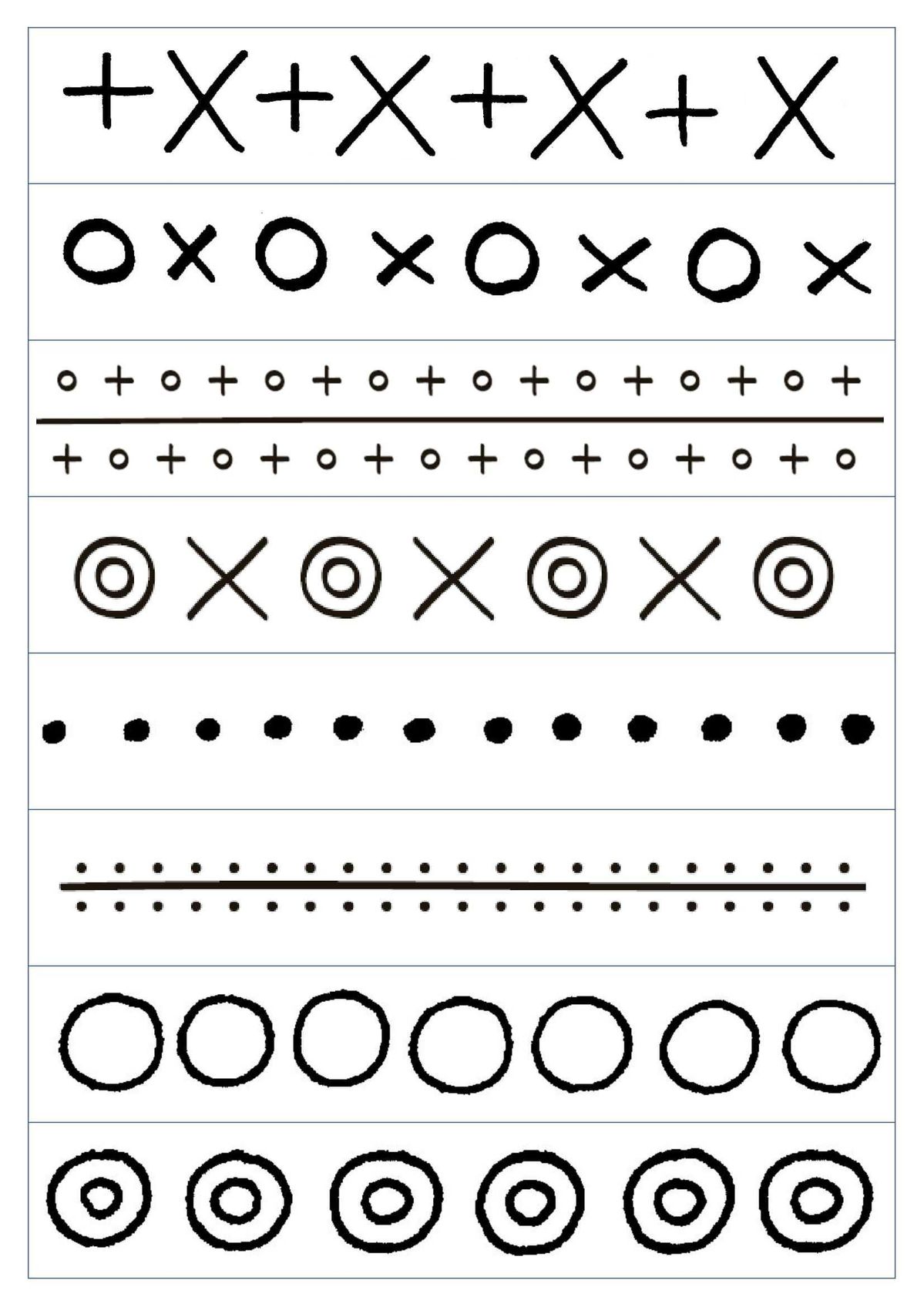
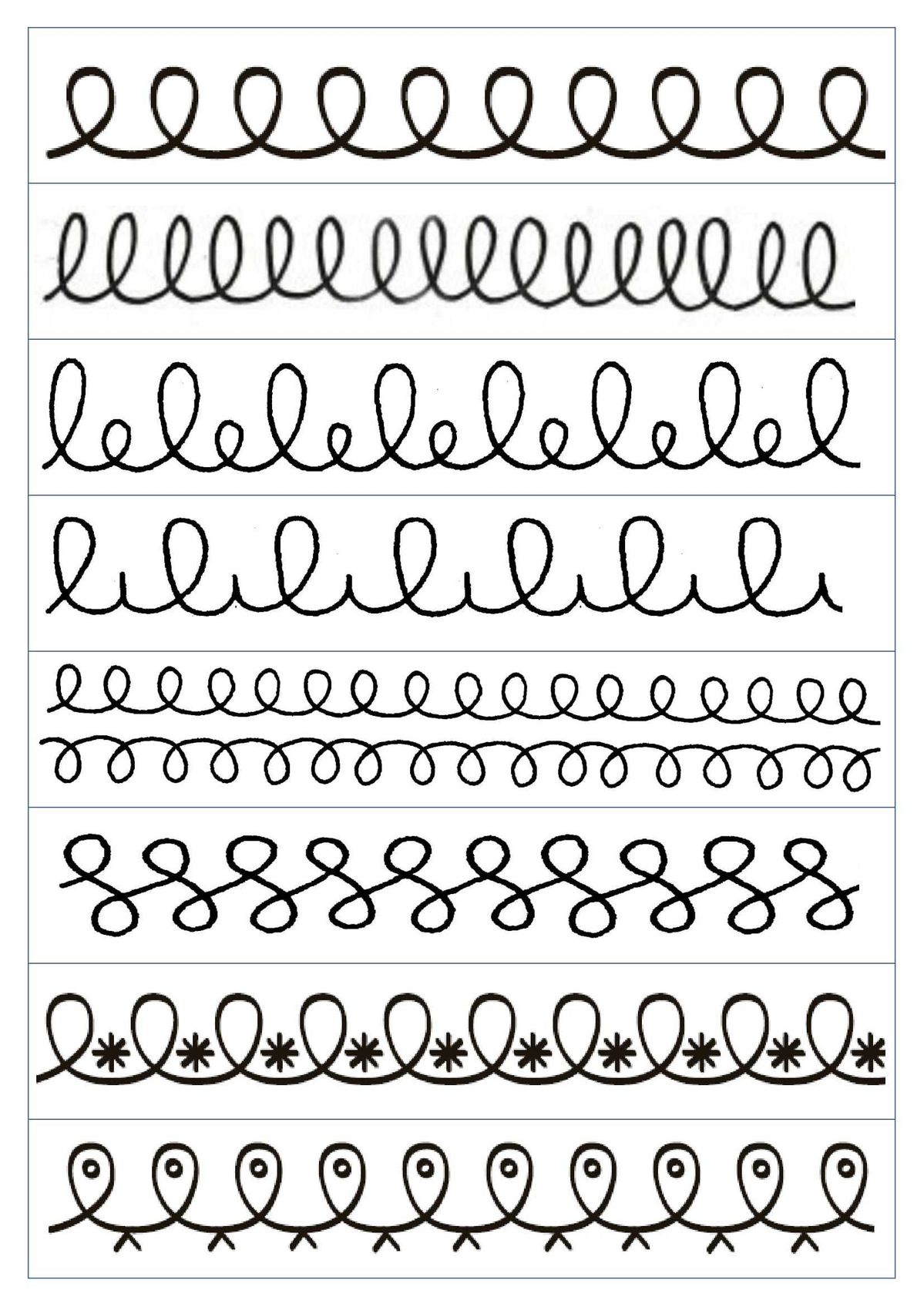
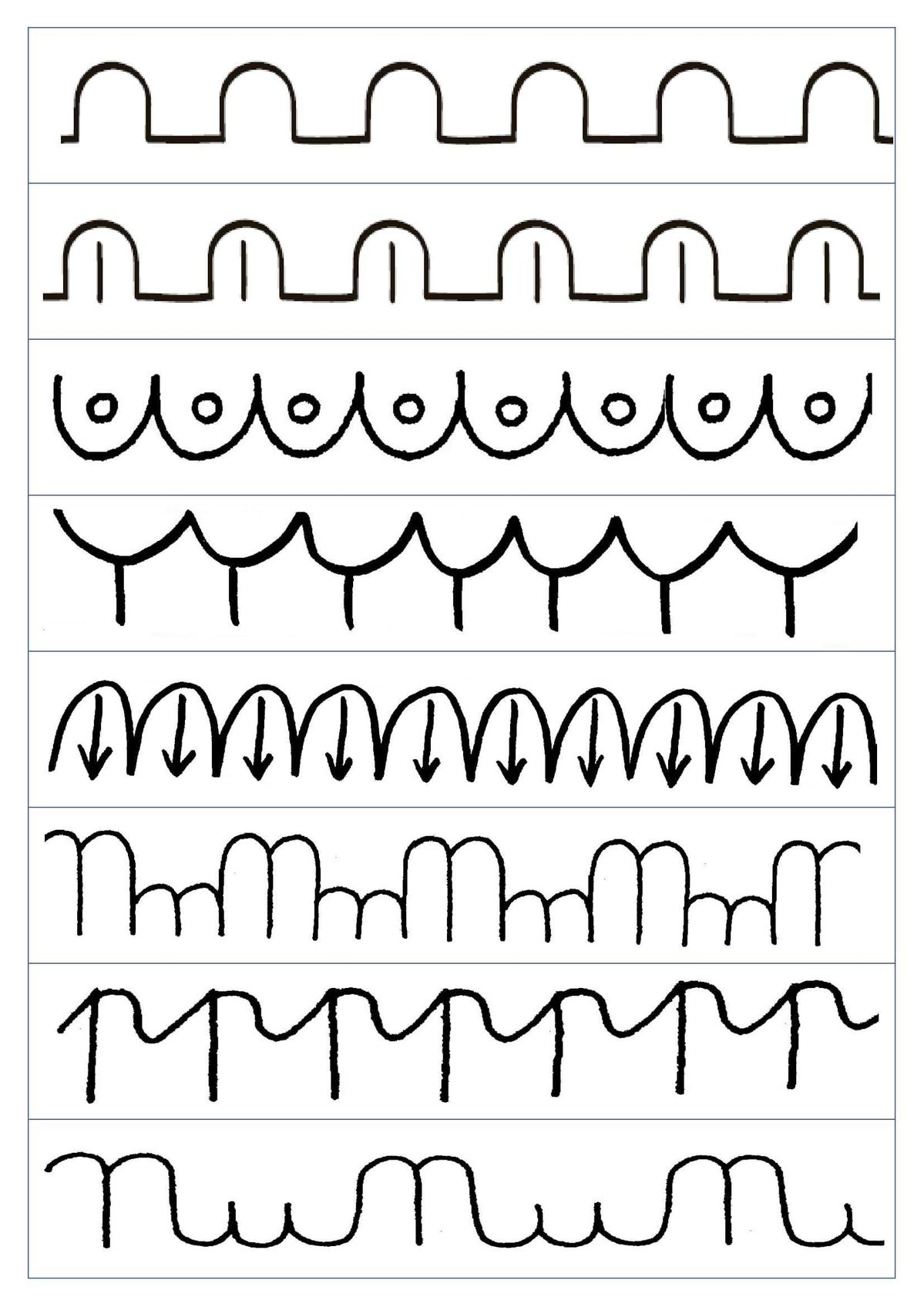
To Practice for Mandala Pattern
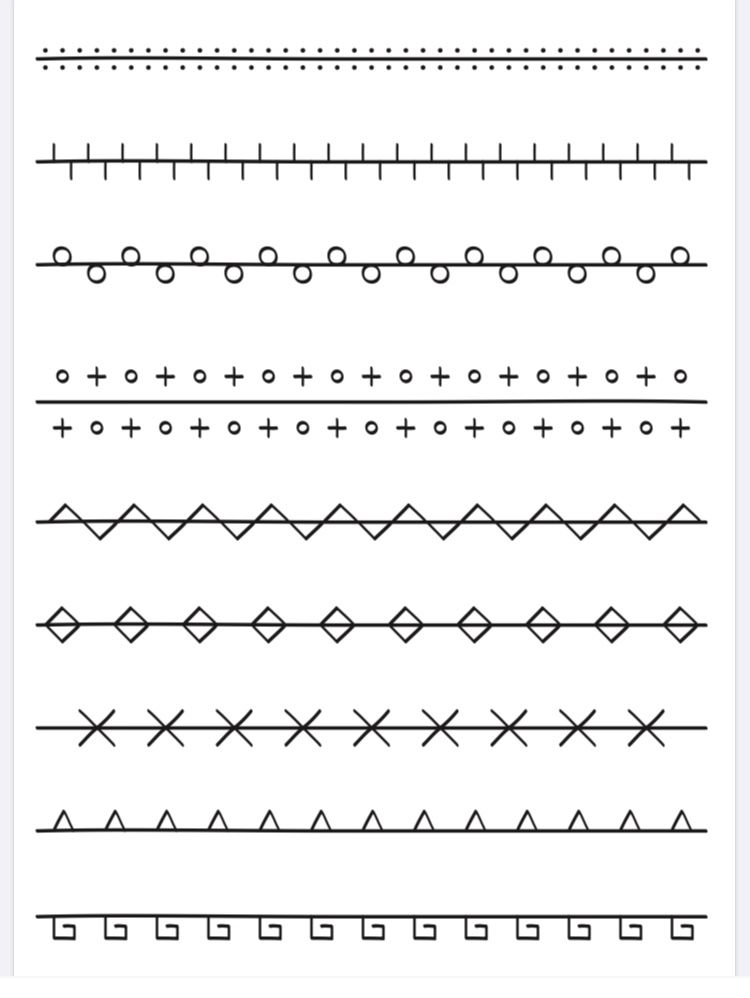
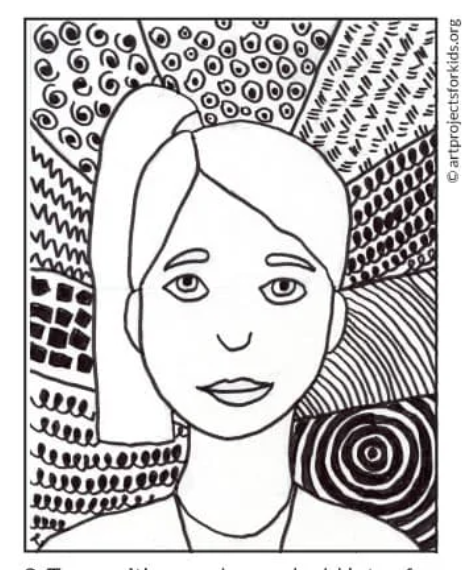
2. Self Portrait

Creating a self-portrait for mental health is a therapeutic, low-pressure art exercise focusing on self-reflection rather than artistic skill.
It acts as a grounding technique to process emotions and practice self-care.

Focus on your inner world, allowing your feelings to guide your, rather than striving for perfection.

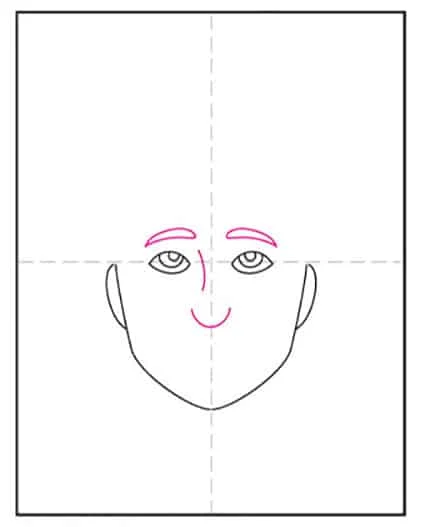
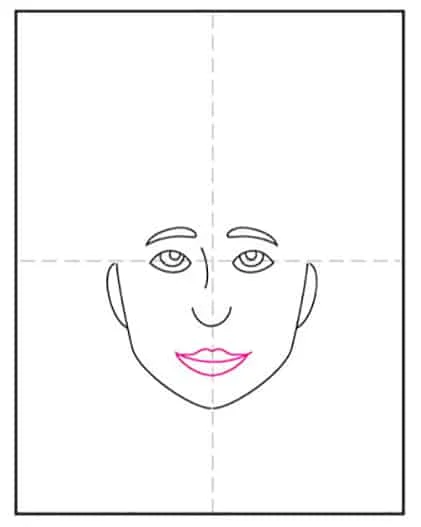
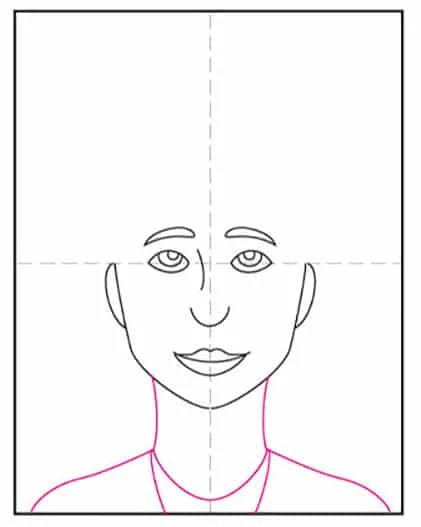
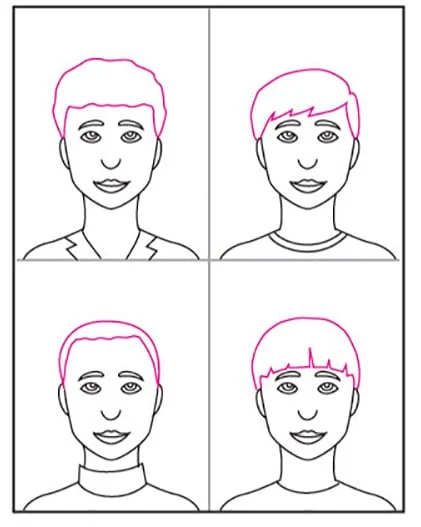
How to Draw a Self Portrait -Step by Step Tutorial for Beginners

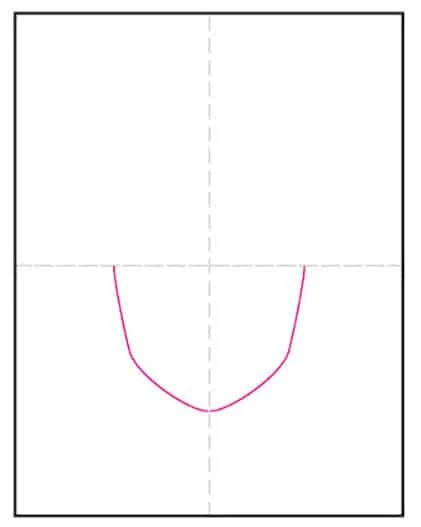
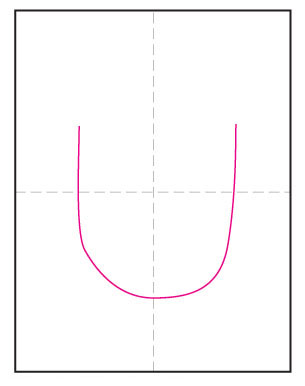
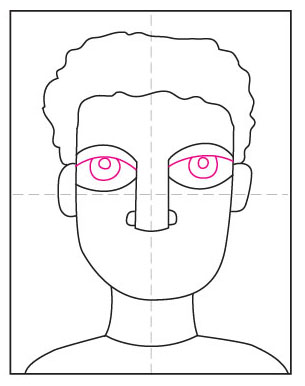
Step-1 Draw a U shape.

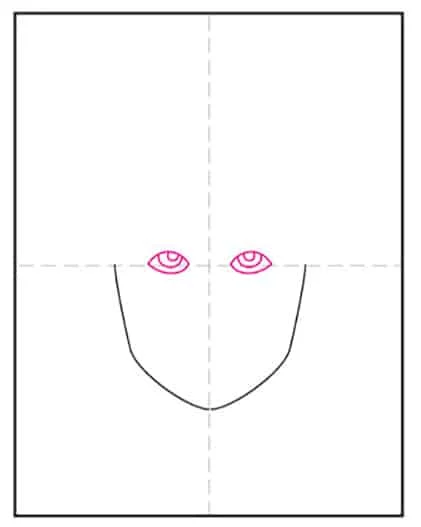
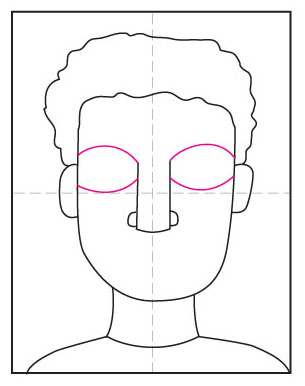
Step-2 Add two eyes.

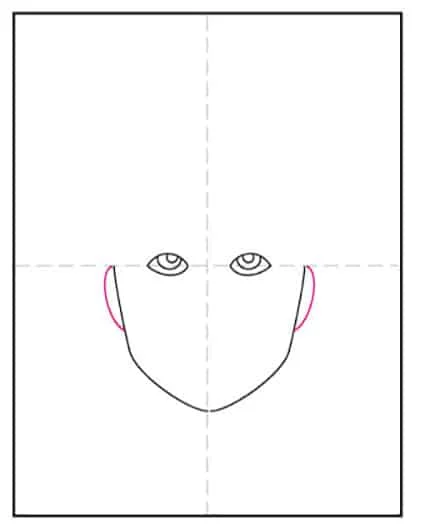
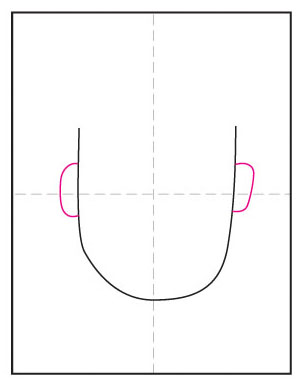
Step-3 Draw two ears.

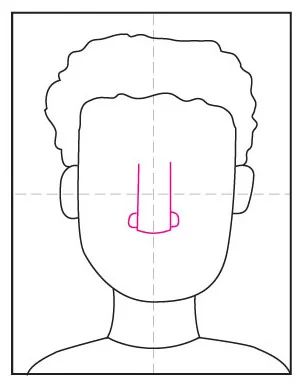
Step-4 Add the brows and the nose.

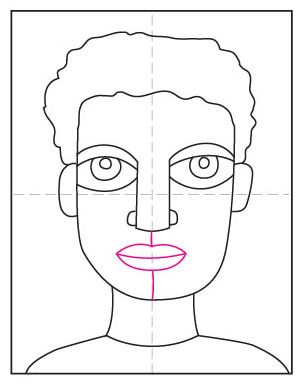
Step-5 Draw the mouth.

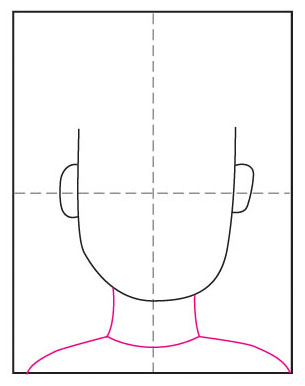
Step-6 Add the neck an shoulders.

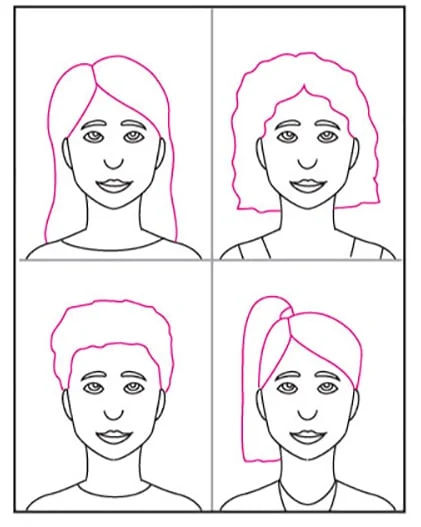
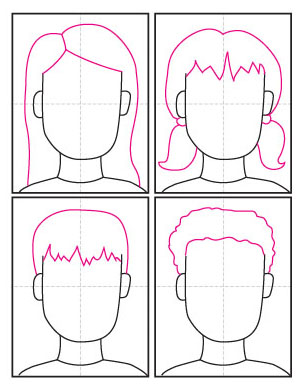
Step-7 Options for hair.

Step-7 More options for hair.

Step-8 Patterns Ideas for Background

Step-1 Start with a large U.

Step-2 Add the two ears.

Step-3 Draw the neck and shoulders.

Step-4 Options for hair.

Step-5 Draw the centered nose.

Step-6 Start the large eyes.

Step-7 Add the lids and irises inside.

Step-8 Add the lids and irises inside.

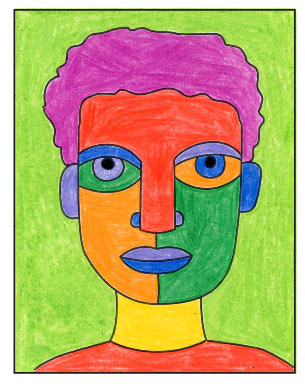
Step-9 Trace with a marker and color.

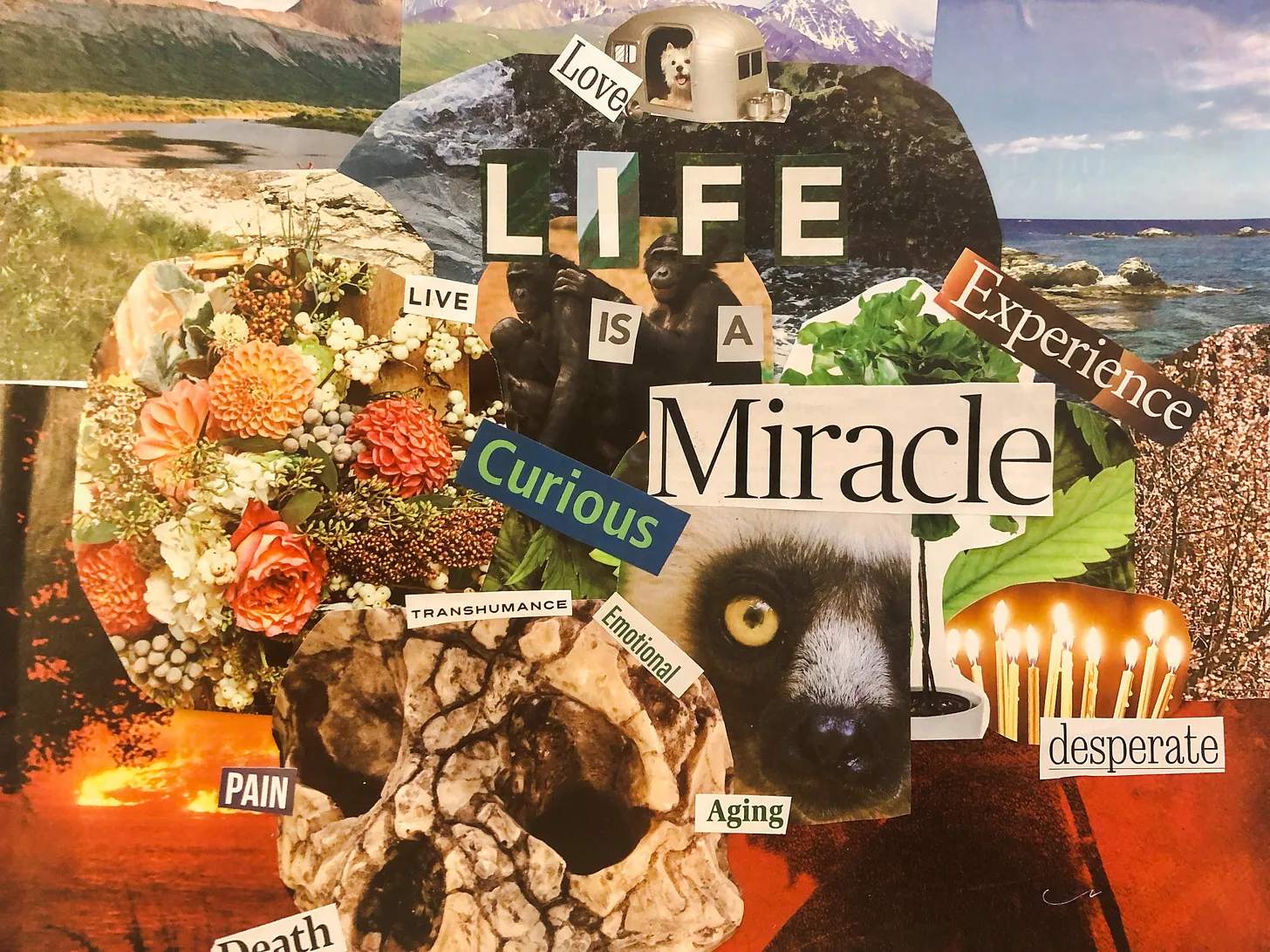
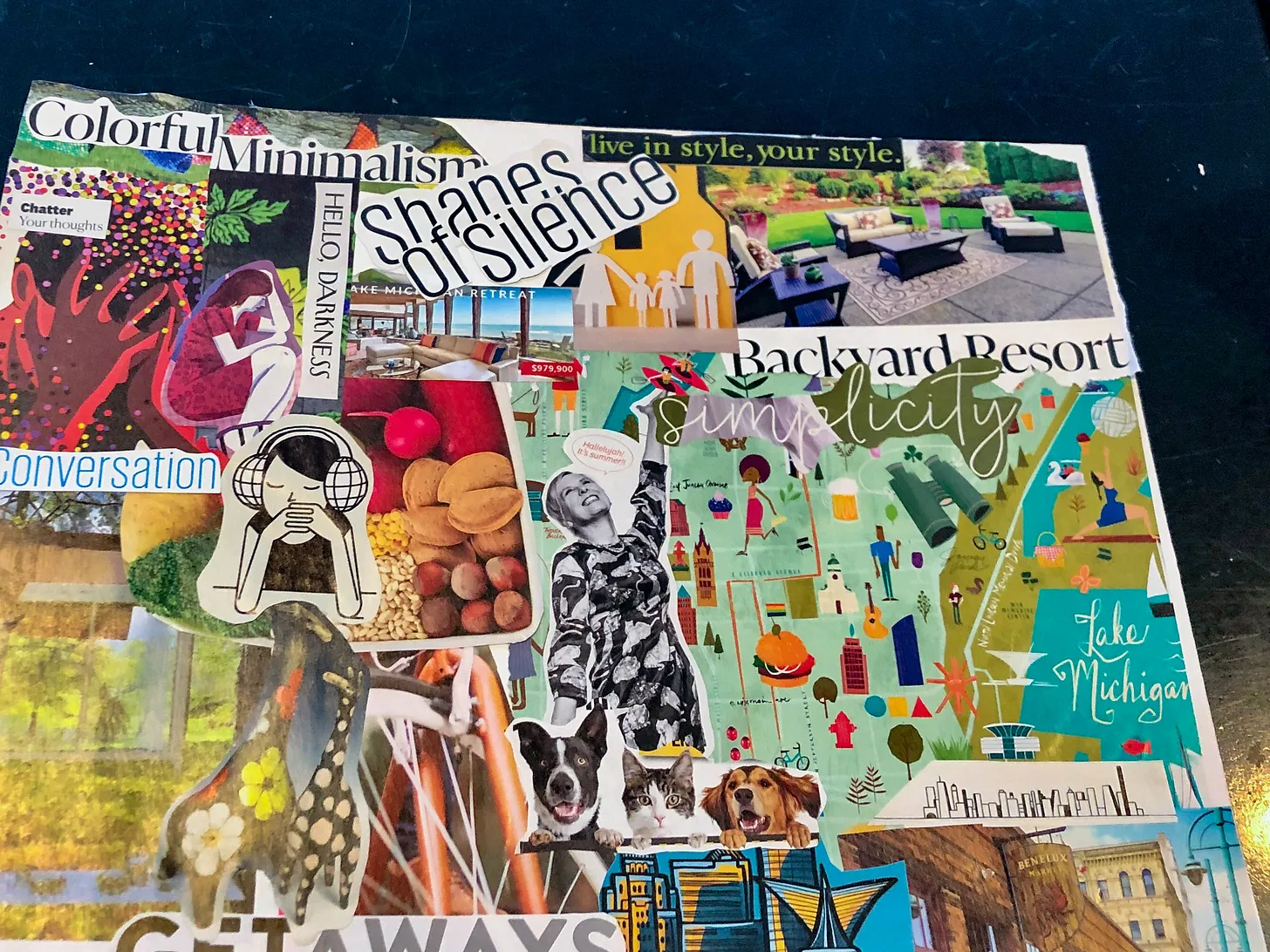
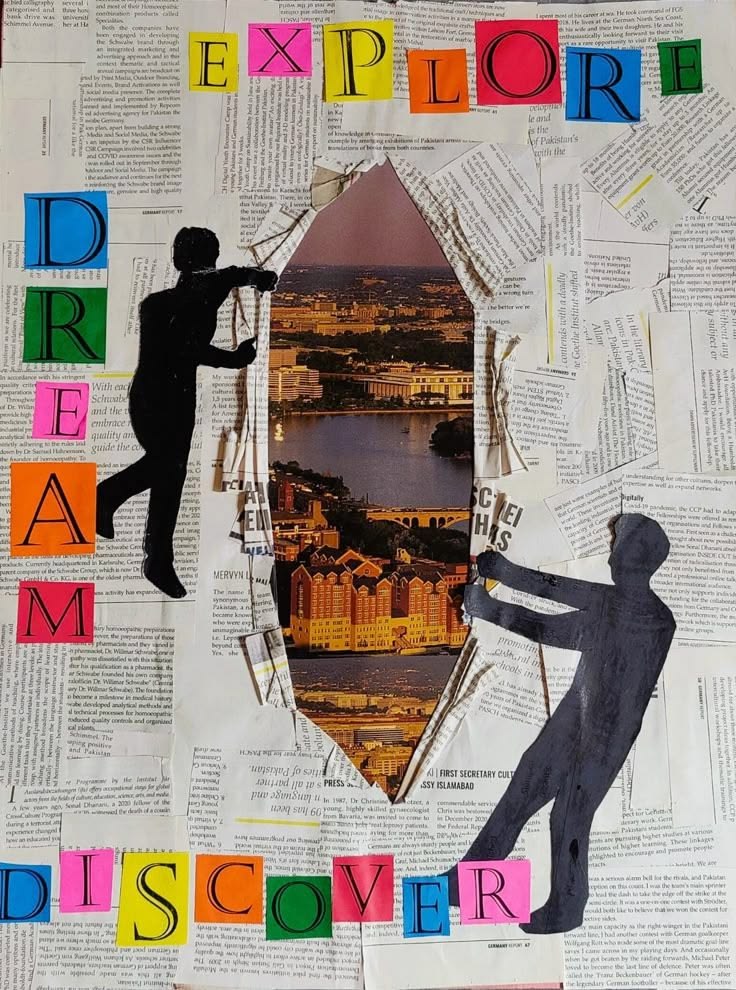
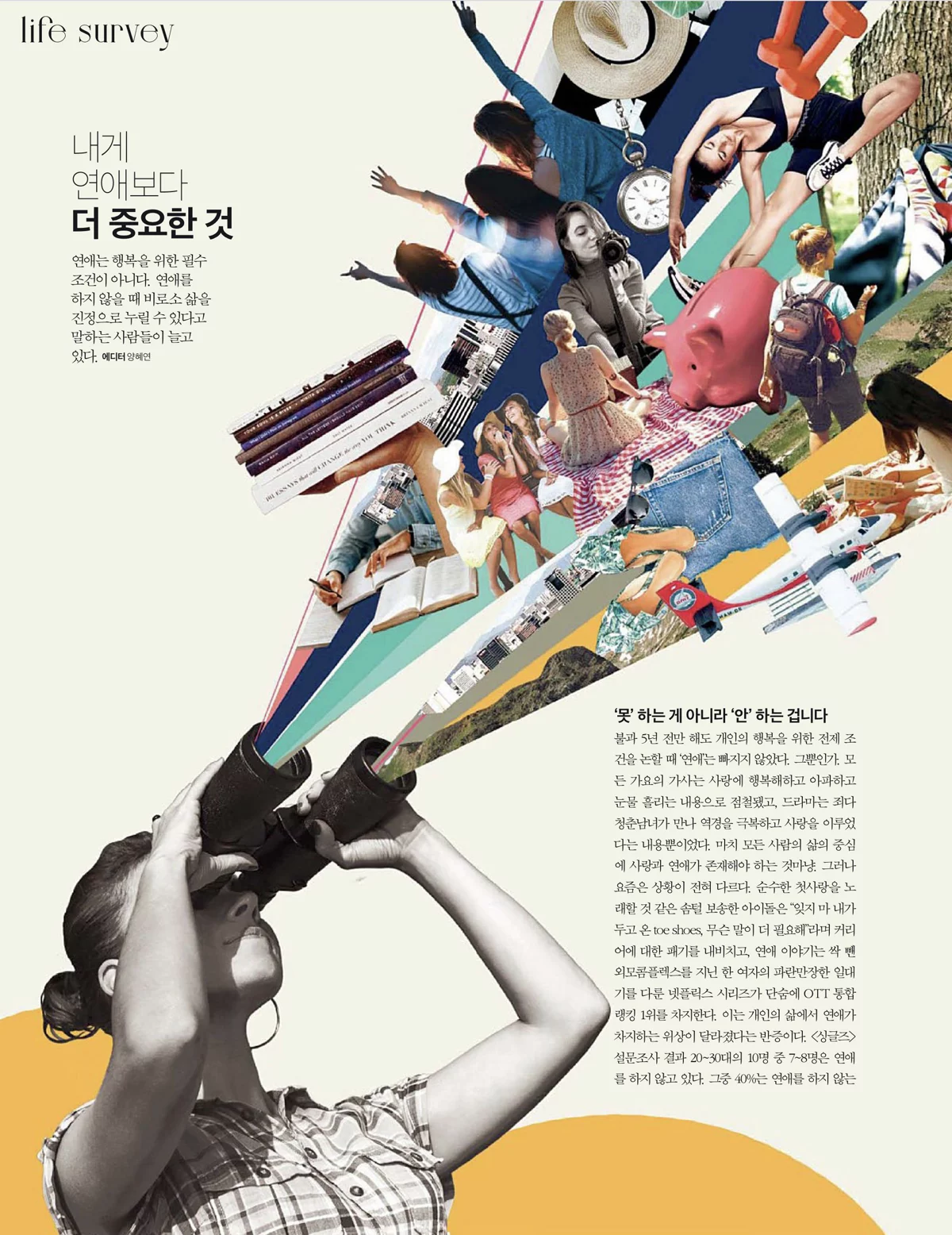
3. Collage making

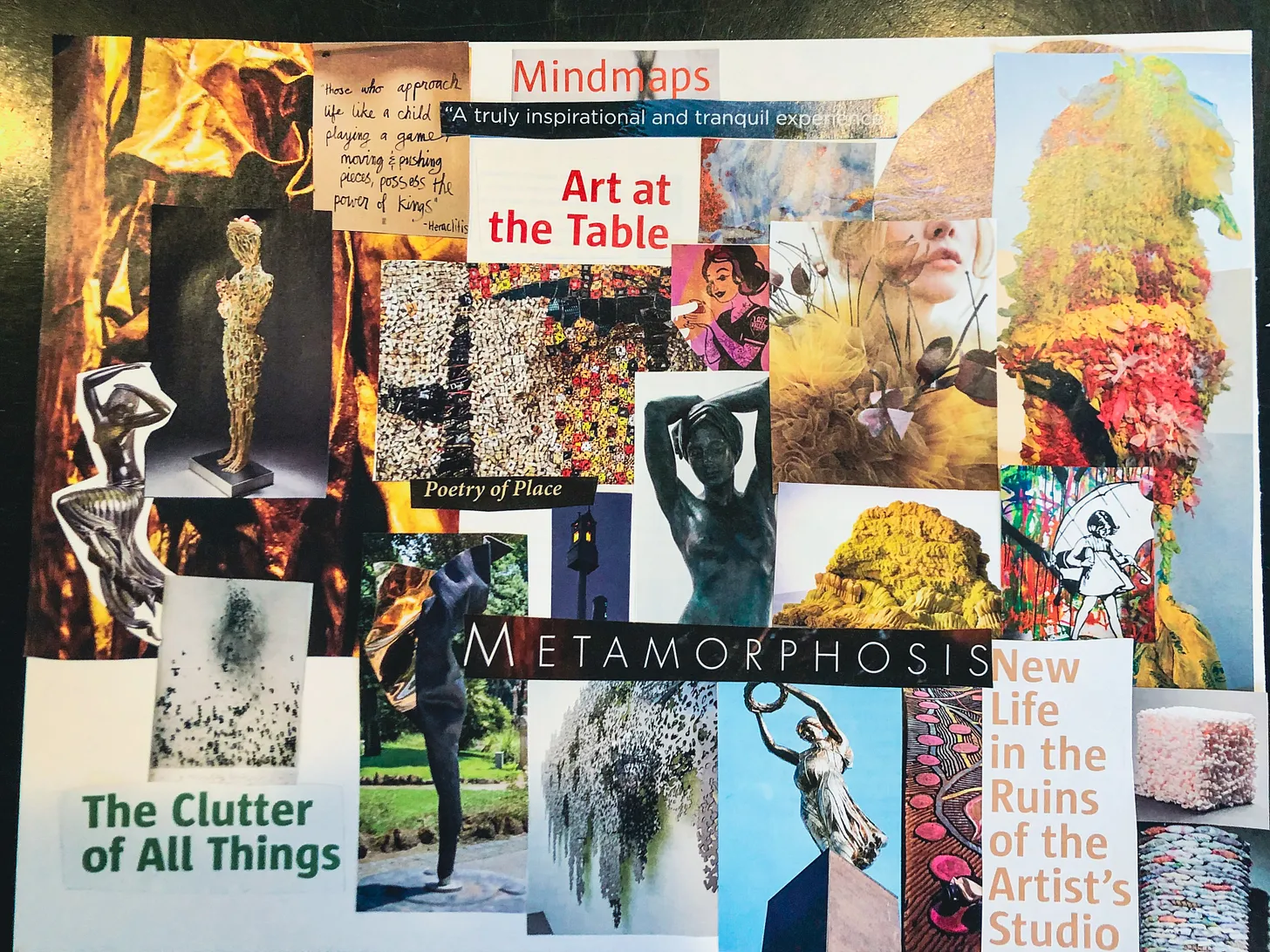
The collage method can provide an in-depth understanding of people's life experiences, perspectives and thoughts about a given topic.

These findings could be used to persuade, to tell a story about those issues, or to create change.

Materials:

Vision Board Collage Sample

4. Finger Painting

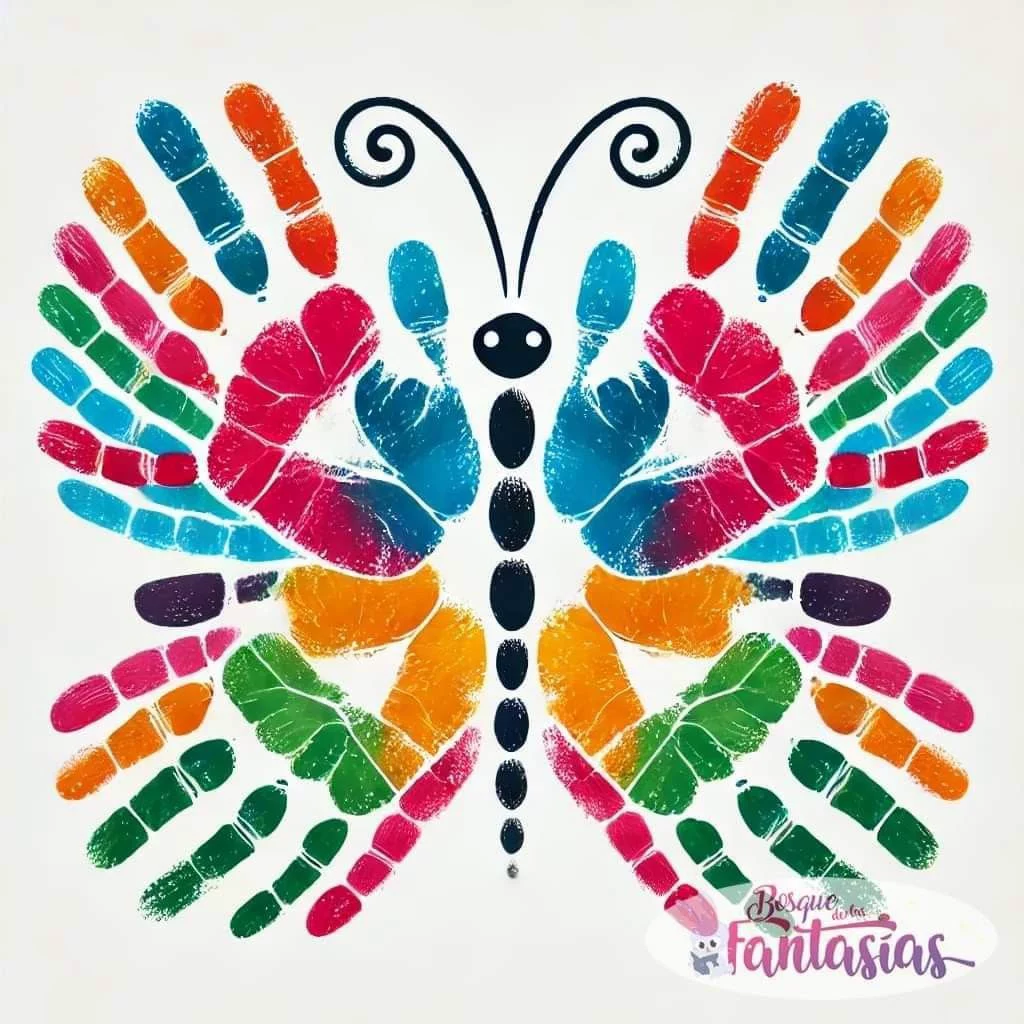
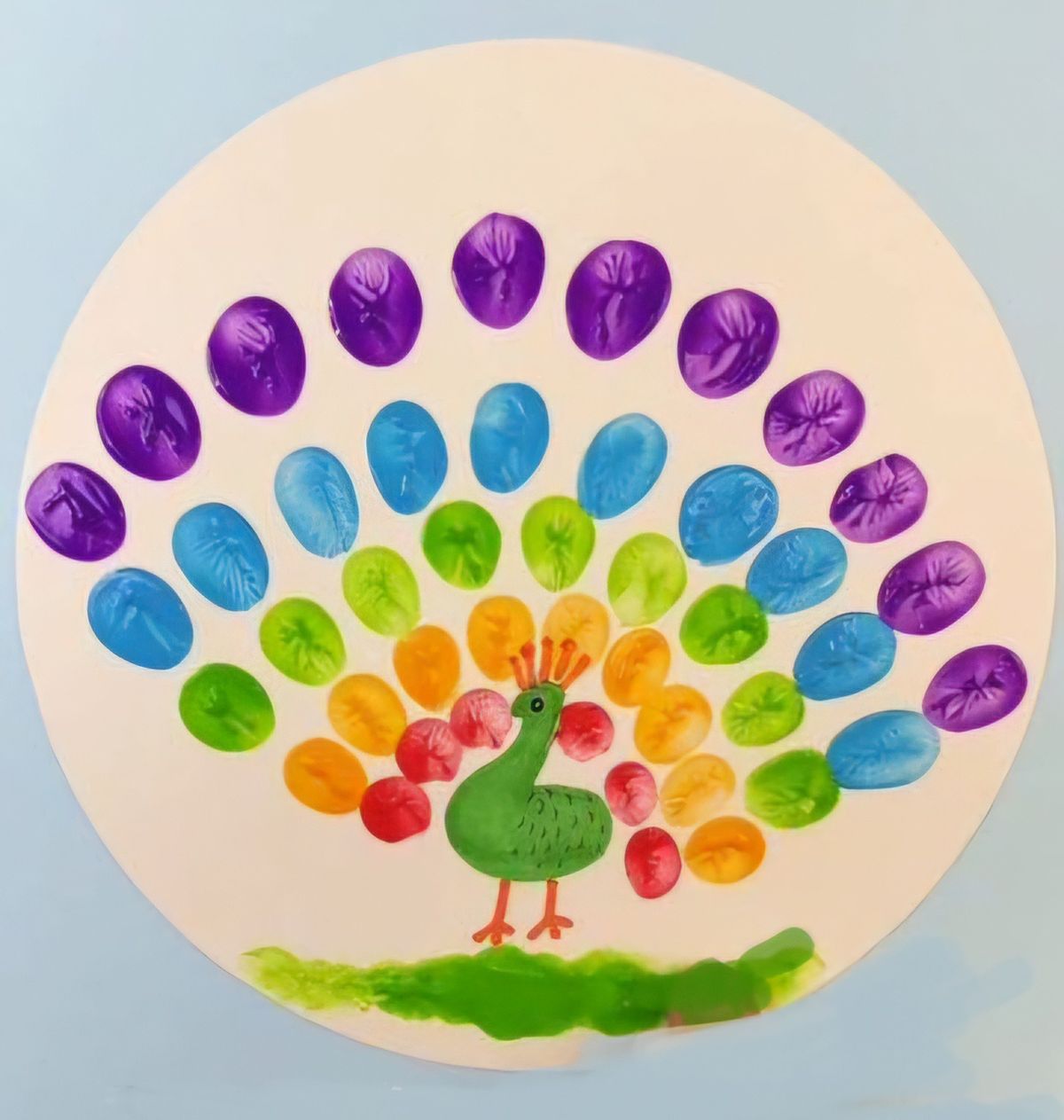
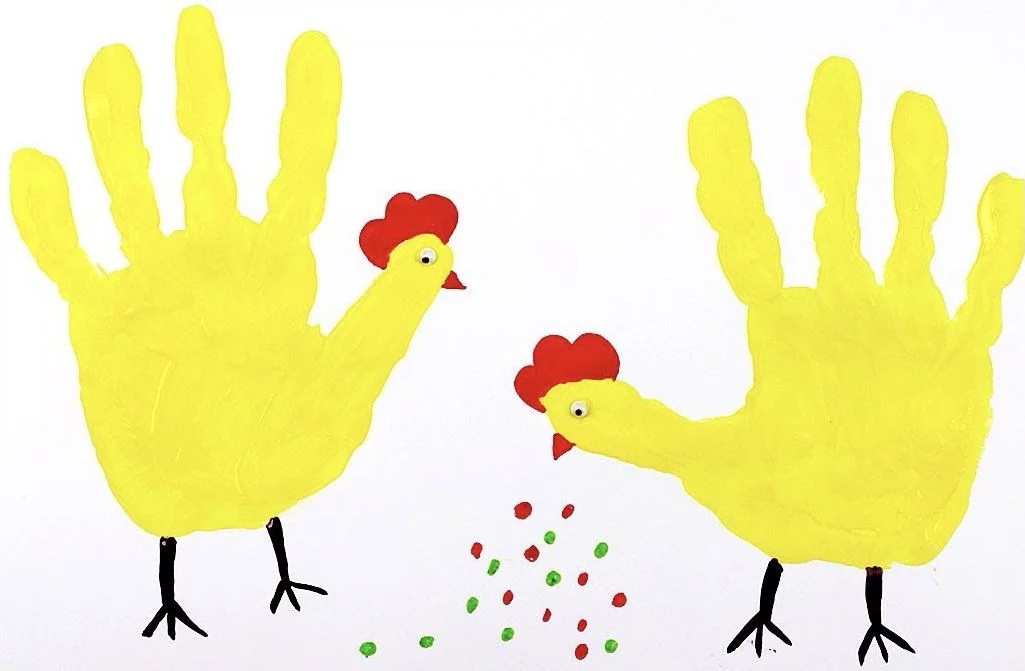
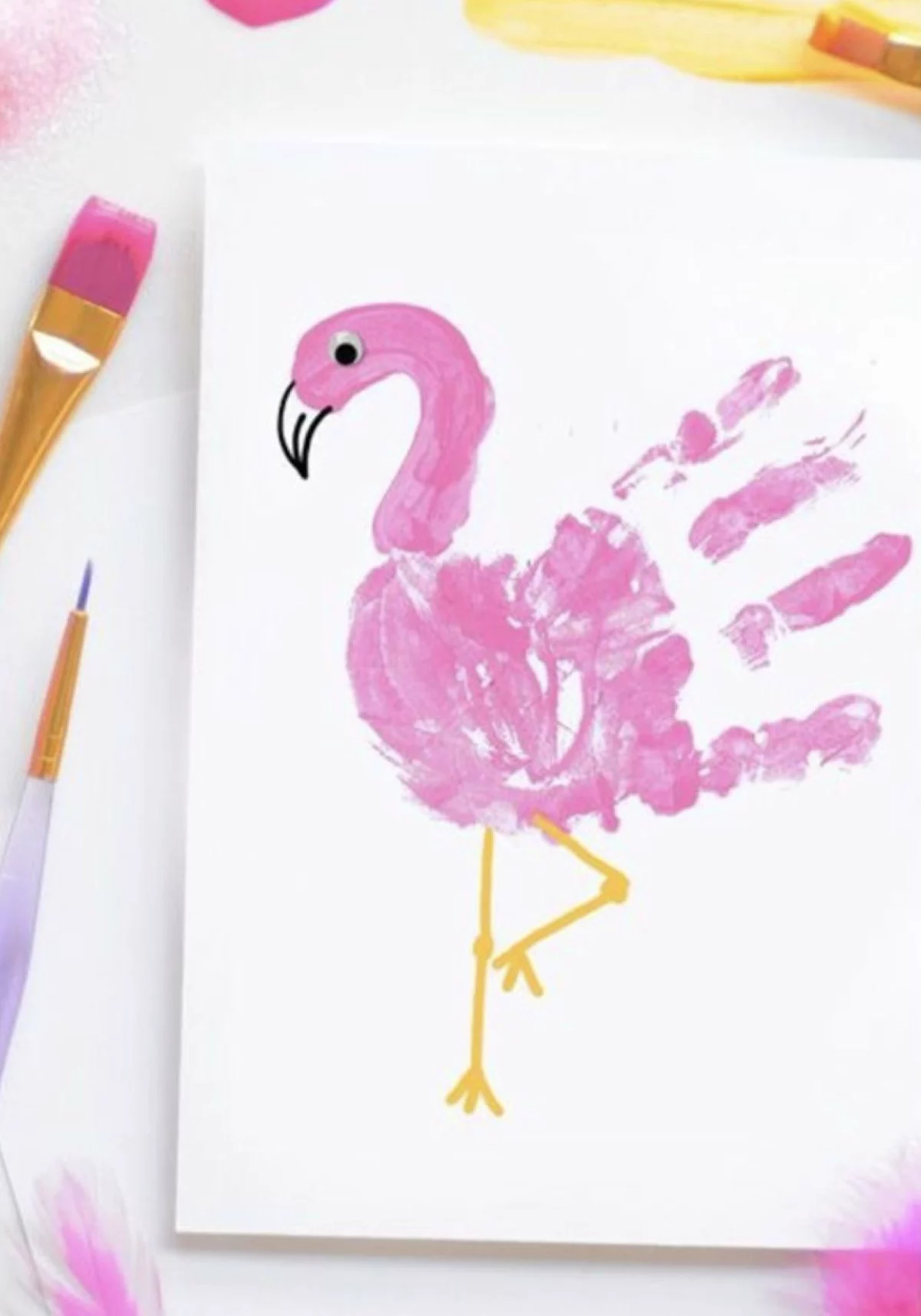
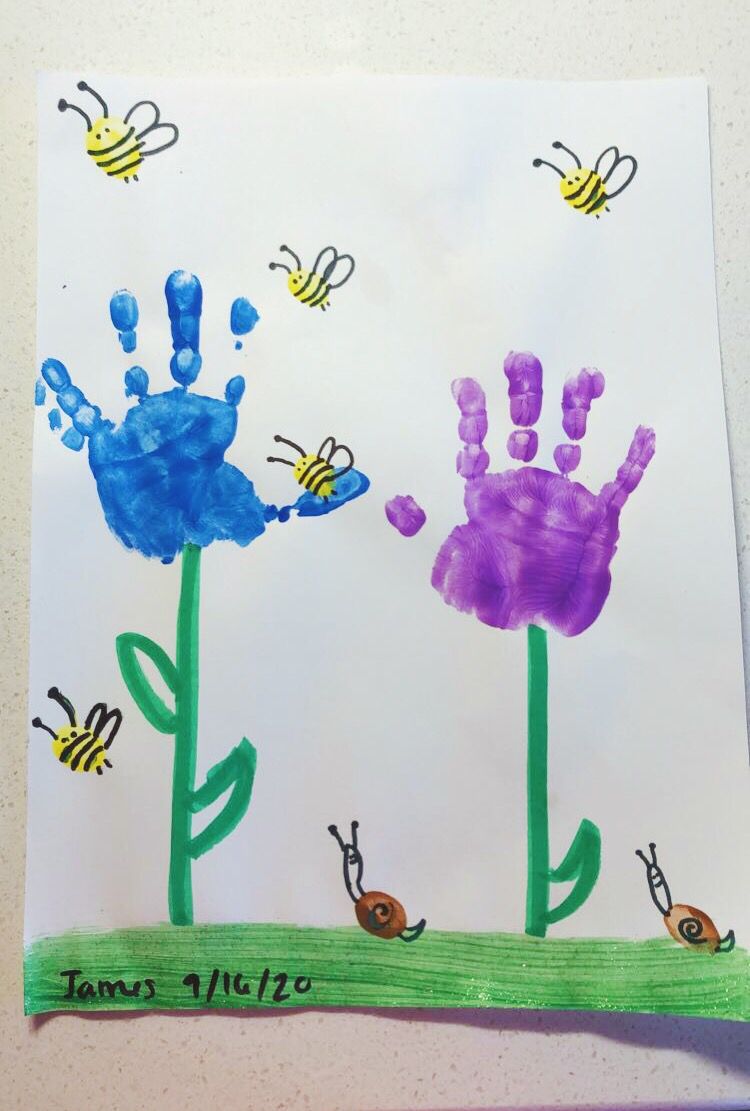
Finger painting is an effective therapeutic tool for mental health because it bypasses the "thinking mind" to engage directly with the senses.

You don't need expensive supplies. Use washable finger paints or even watercolors on thick paper, cardboard, or canvas.

Focus on your inner world, allowing your feelings to guide your, rather than striving for perfection.

How to Fingerpaint

Co-authored by Antoine de Villiers(From wikiHow)

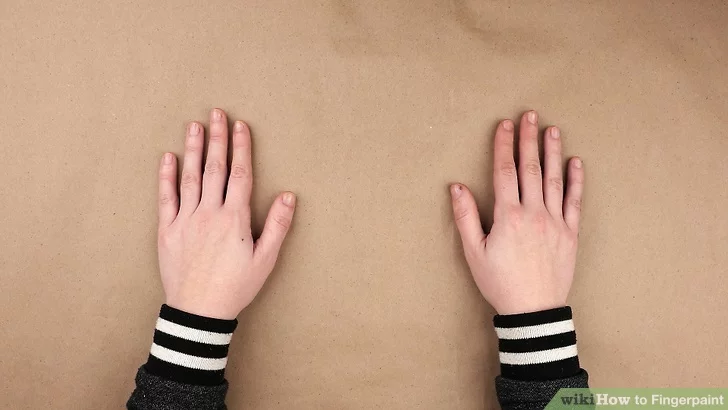
Step-1 Setting up

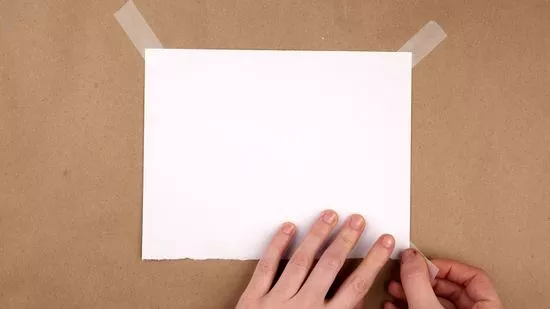
Step-2 Tape down your paper.

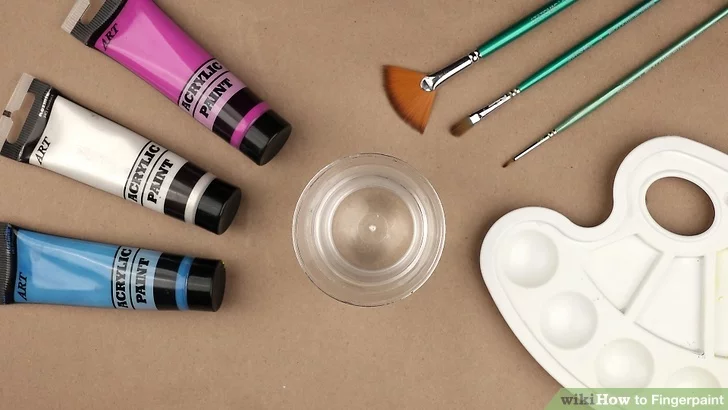
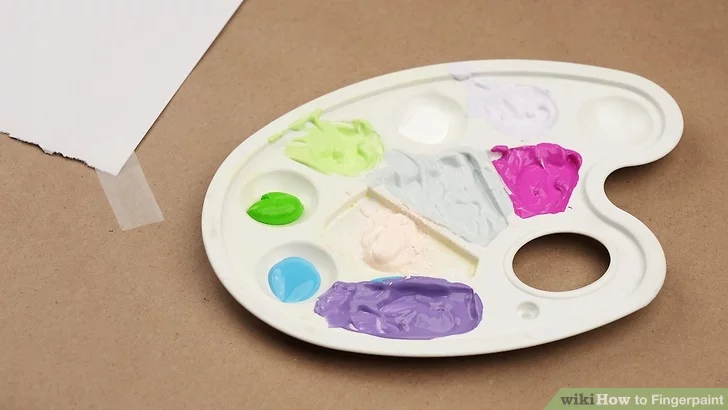
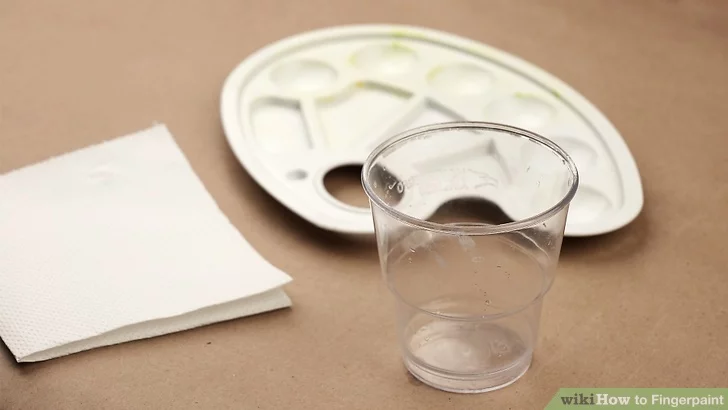
Step-3 Set up your paints and water.

Step-4 Prepare your hands.

Step-5 Pick your colors.

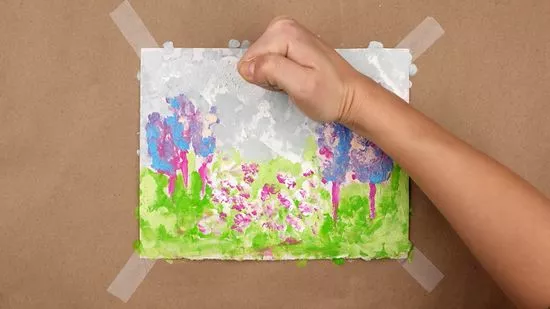
Step-6 Start painting

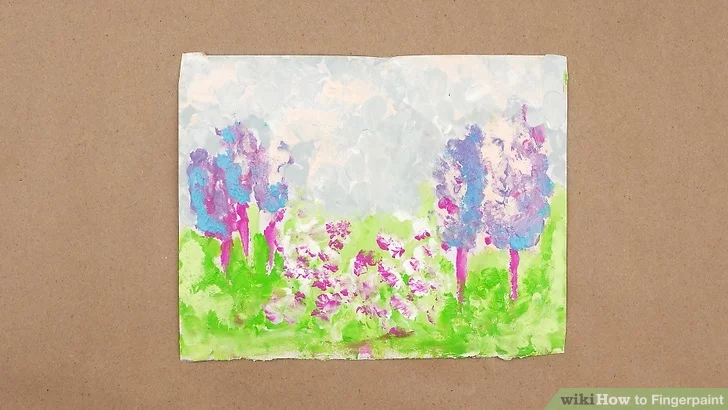
Step-7 Let your painting dry.

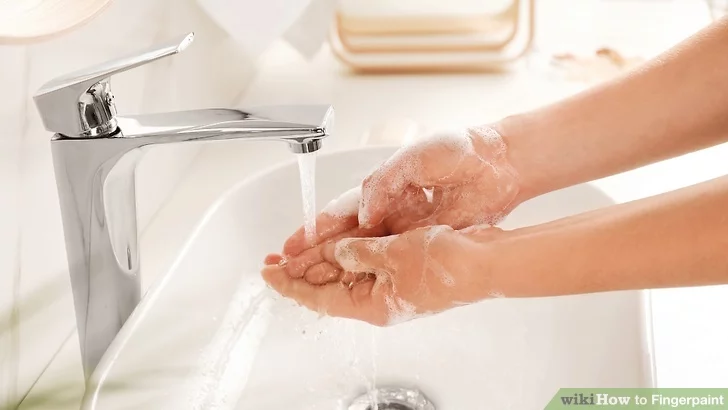
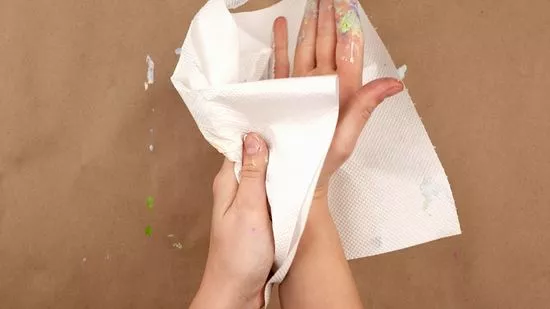
Step-8 Wipe off your hands.

Step-9 Clean up your area.

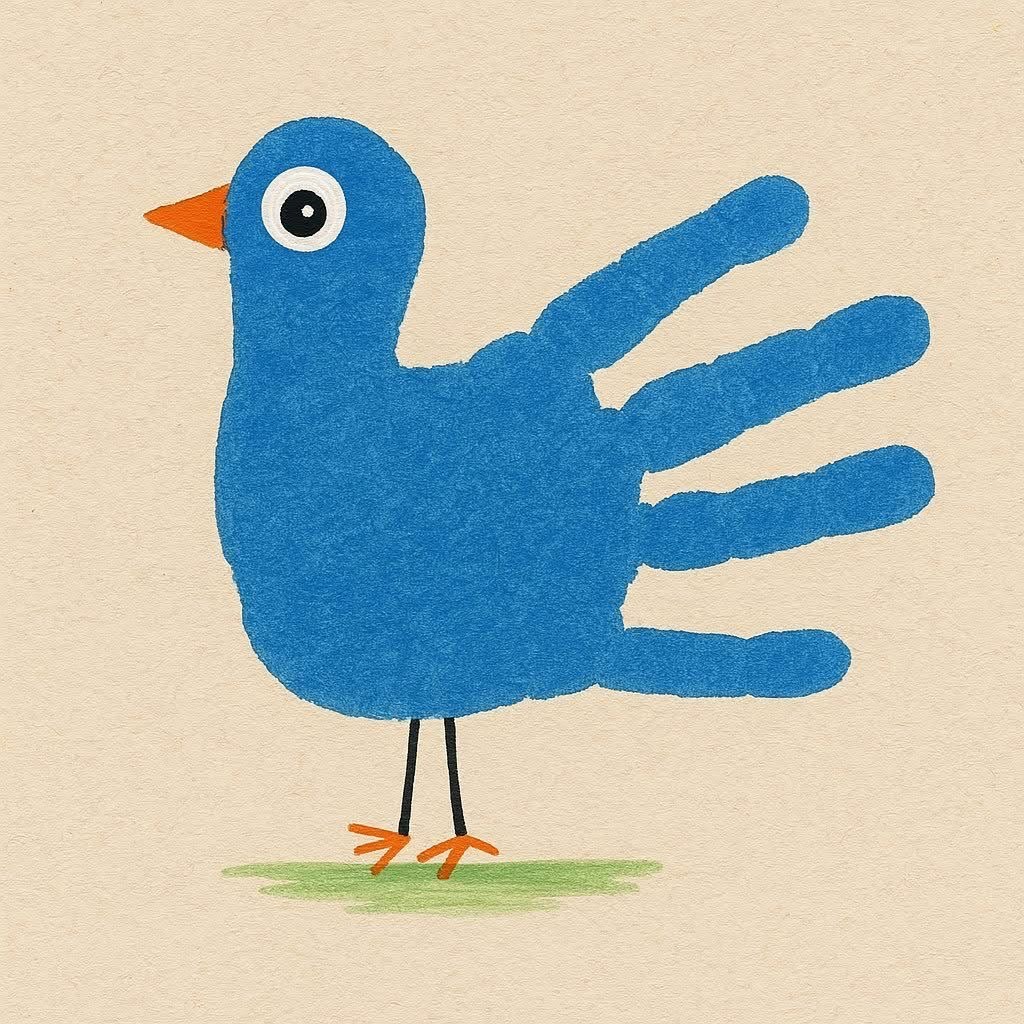
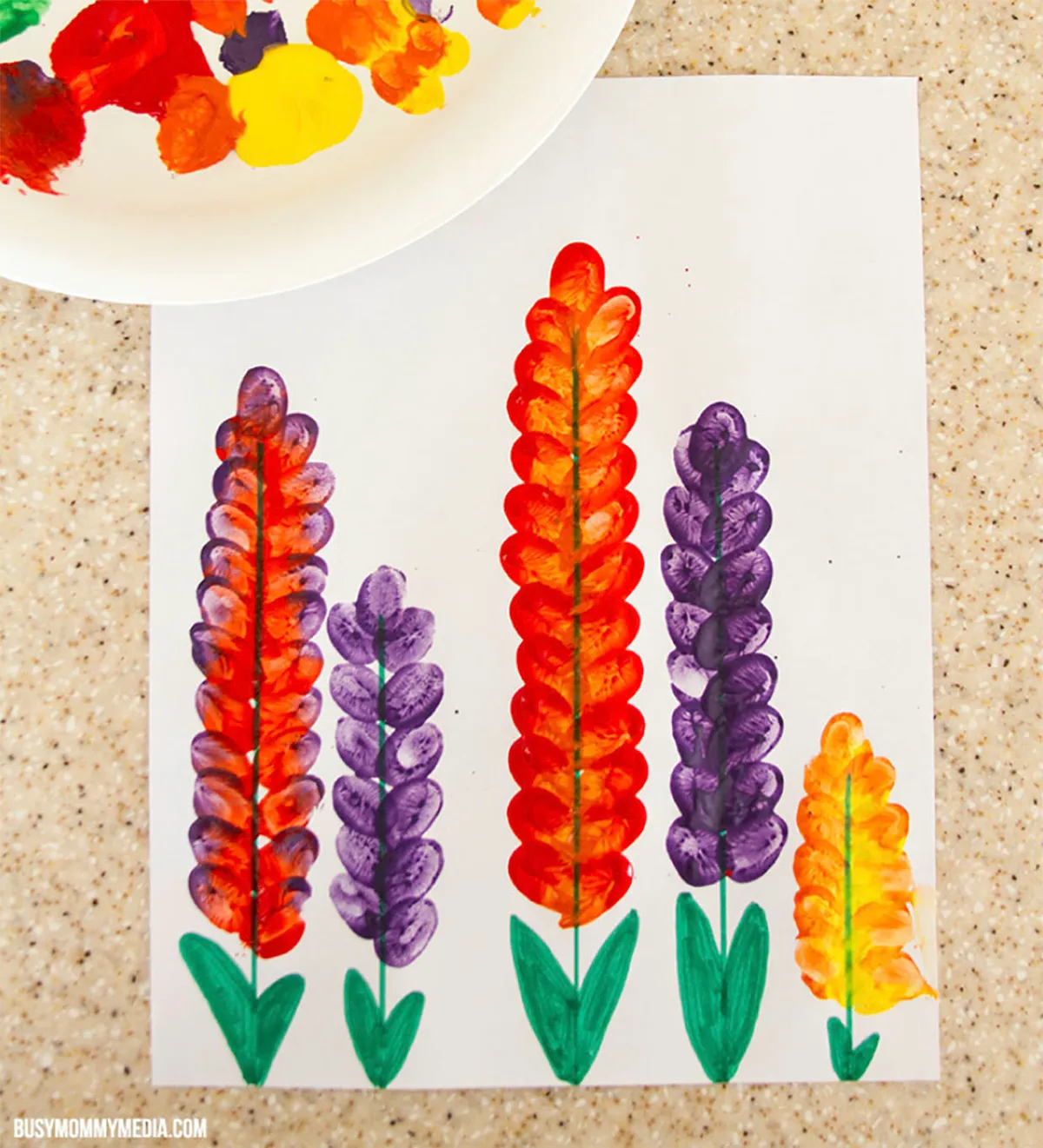
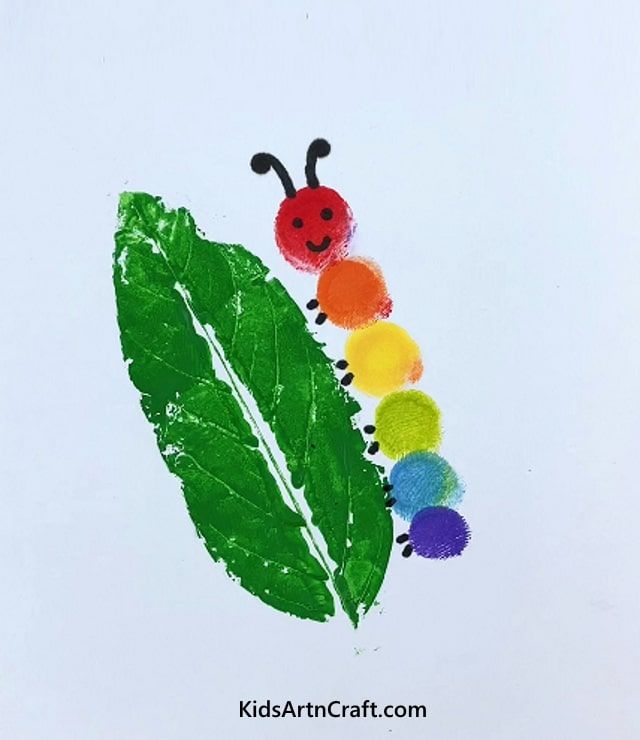
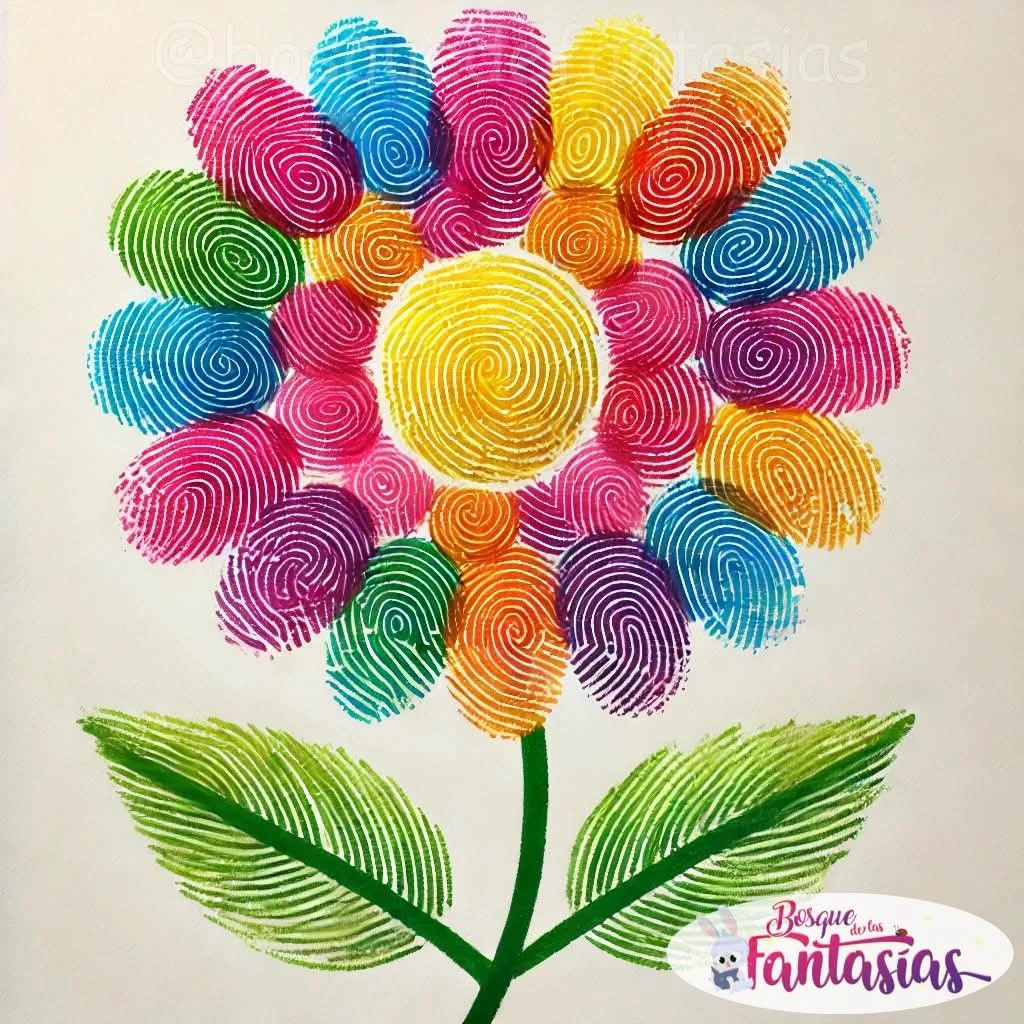
Finger painting ideas

5. Zentangle Art

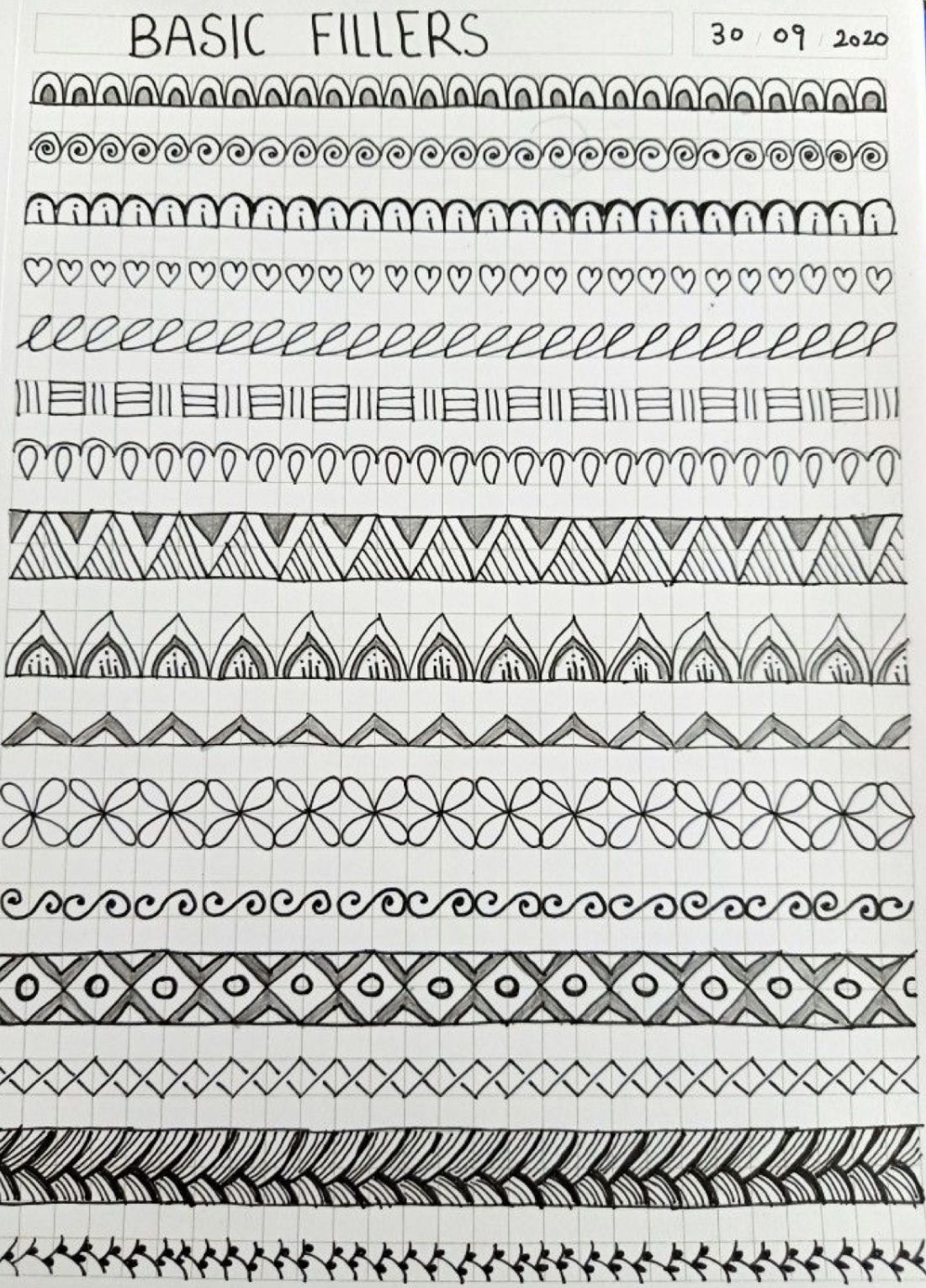
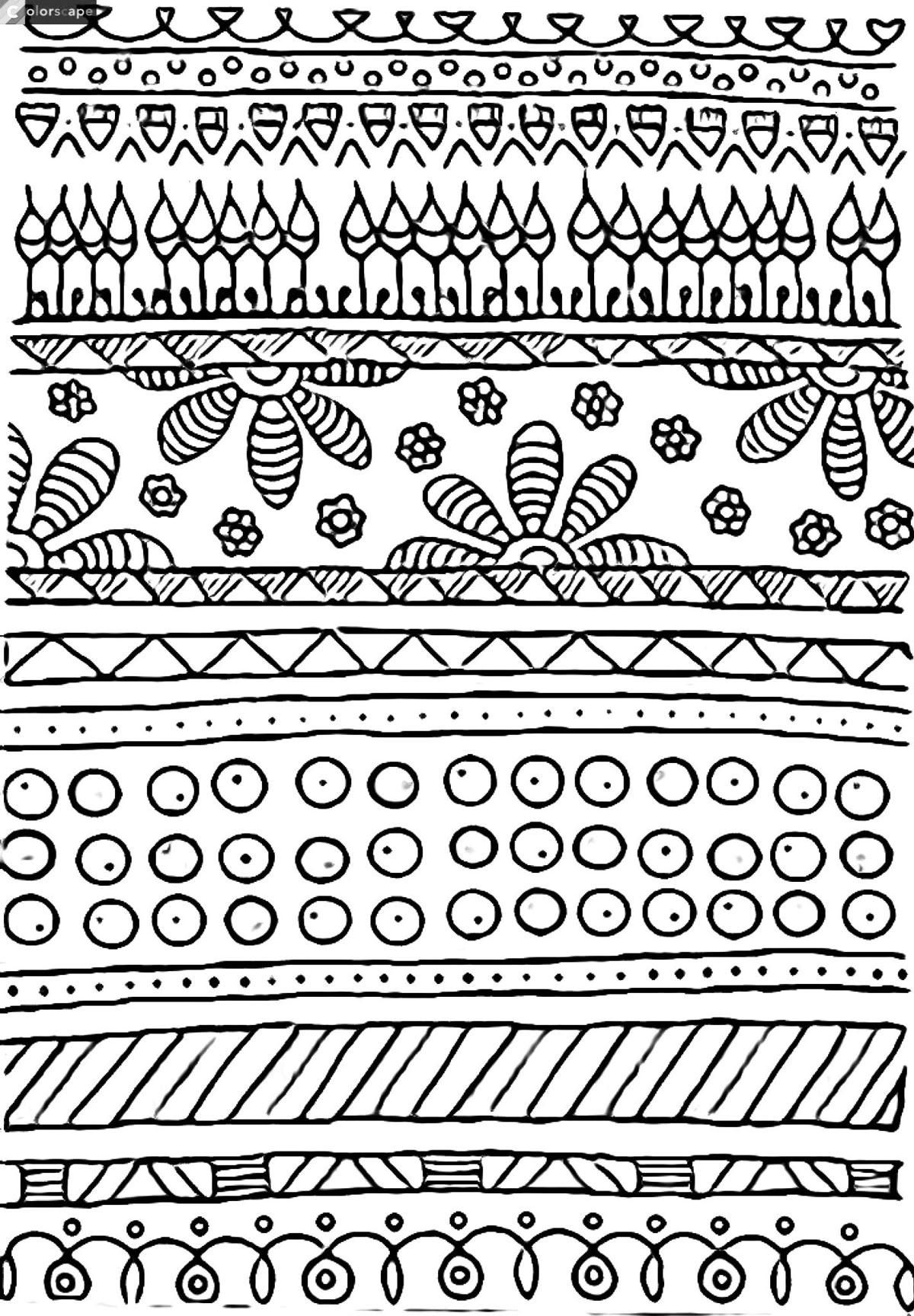
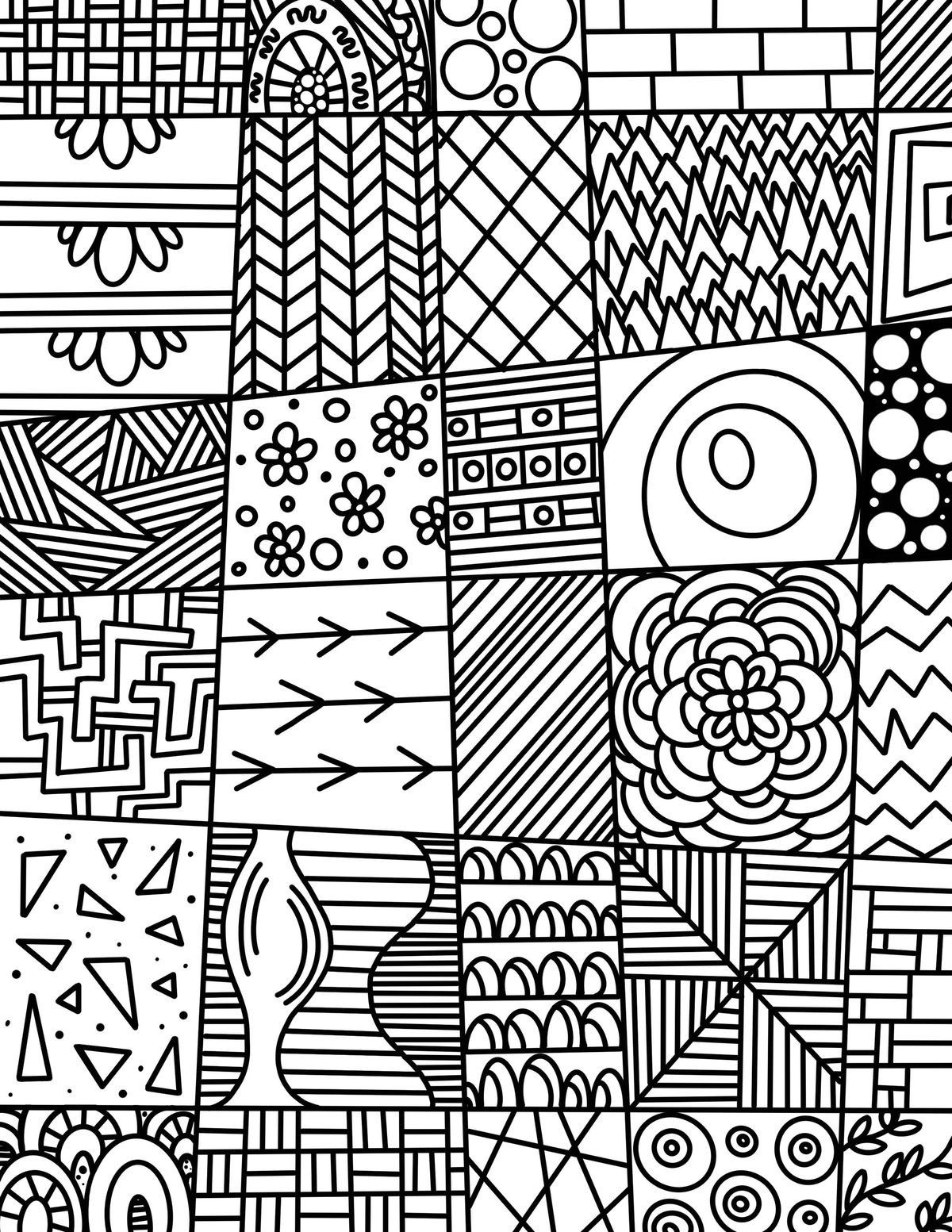
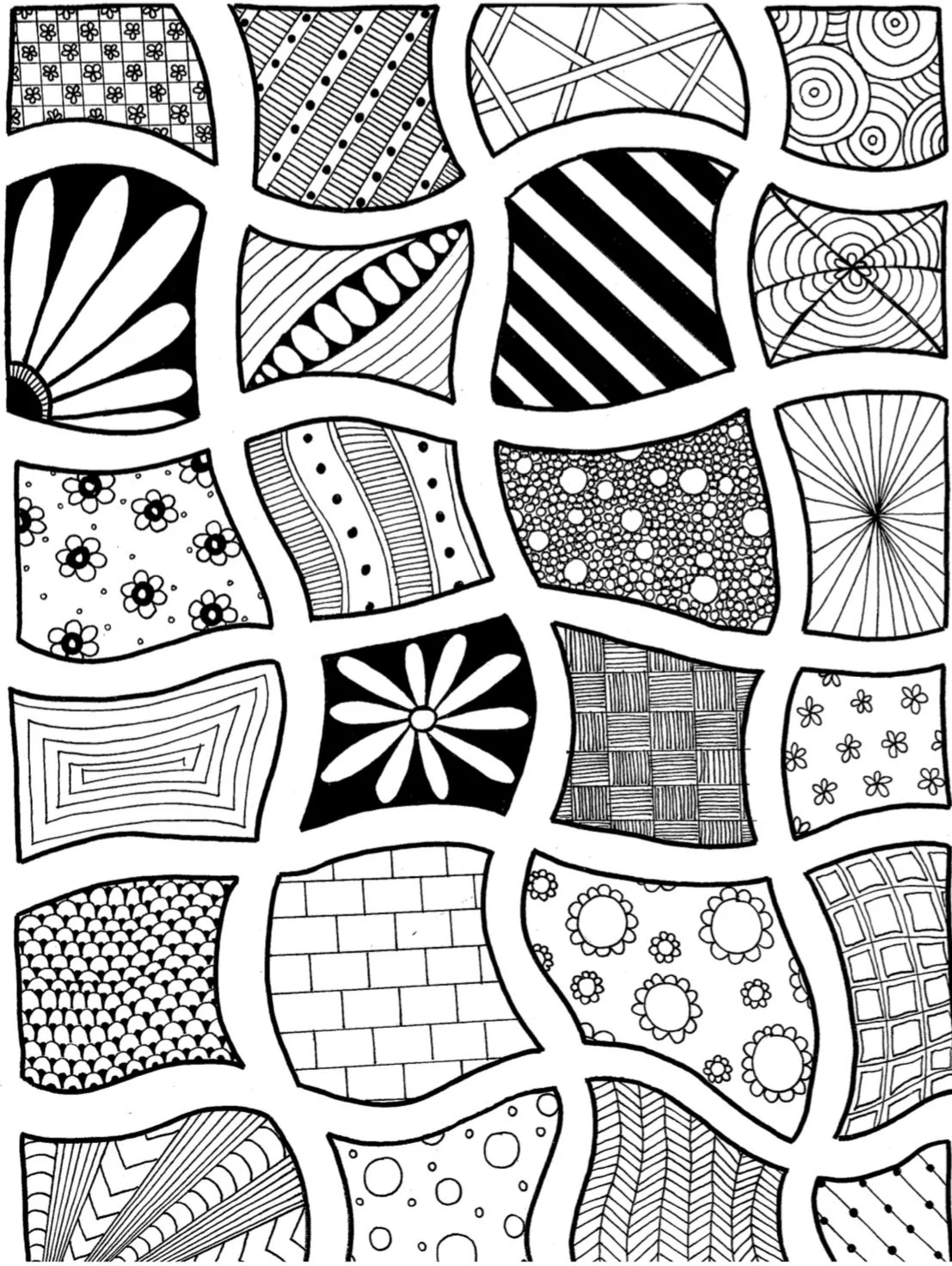
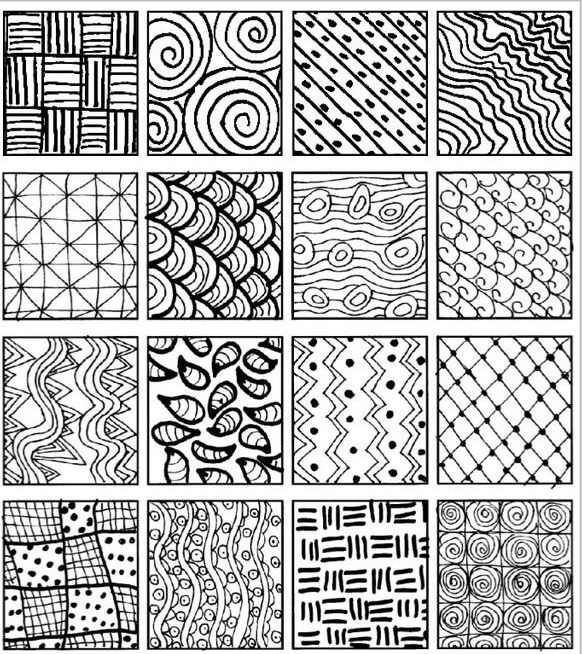
Zentangle is an easy-to-learn, meditative drawing method that uses structured, repetitive patterns (tangles) to create intricate art.

Developed by Rick Roberts and Maria Thomas, it promotes focus, relaxation, and creativity through simple elemental strokes.

Zentangle Patterns for Beginners: Easy Tutorial videos